OConstruction Release Notes: Latest in November

Keeping your construction projects efficient, transparent, and error-free is always our top priority at OConstruction.

Our latest OConstruction Release Notes highlight powerful project management updates, bug fixes, and feature enhancements designed to make your construction workflows smoother than ever.

From resolving invoice and vendor issues to introducing advanced BOQ and DPR functionalities, this release delivers measurable improvements in performance, usability, and project tracking.

Let’s explore what’s new in the OConstruction October–November 2025 Release.

Release Update – 10/11: Major Feature Enhancements

Our November 2025 OConstruction release introduces major feature updates and construction software improvements, designed to enhance productivity and streamline on-site project management.

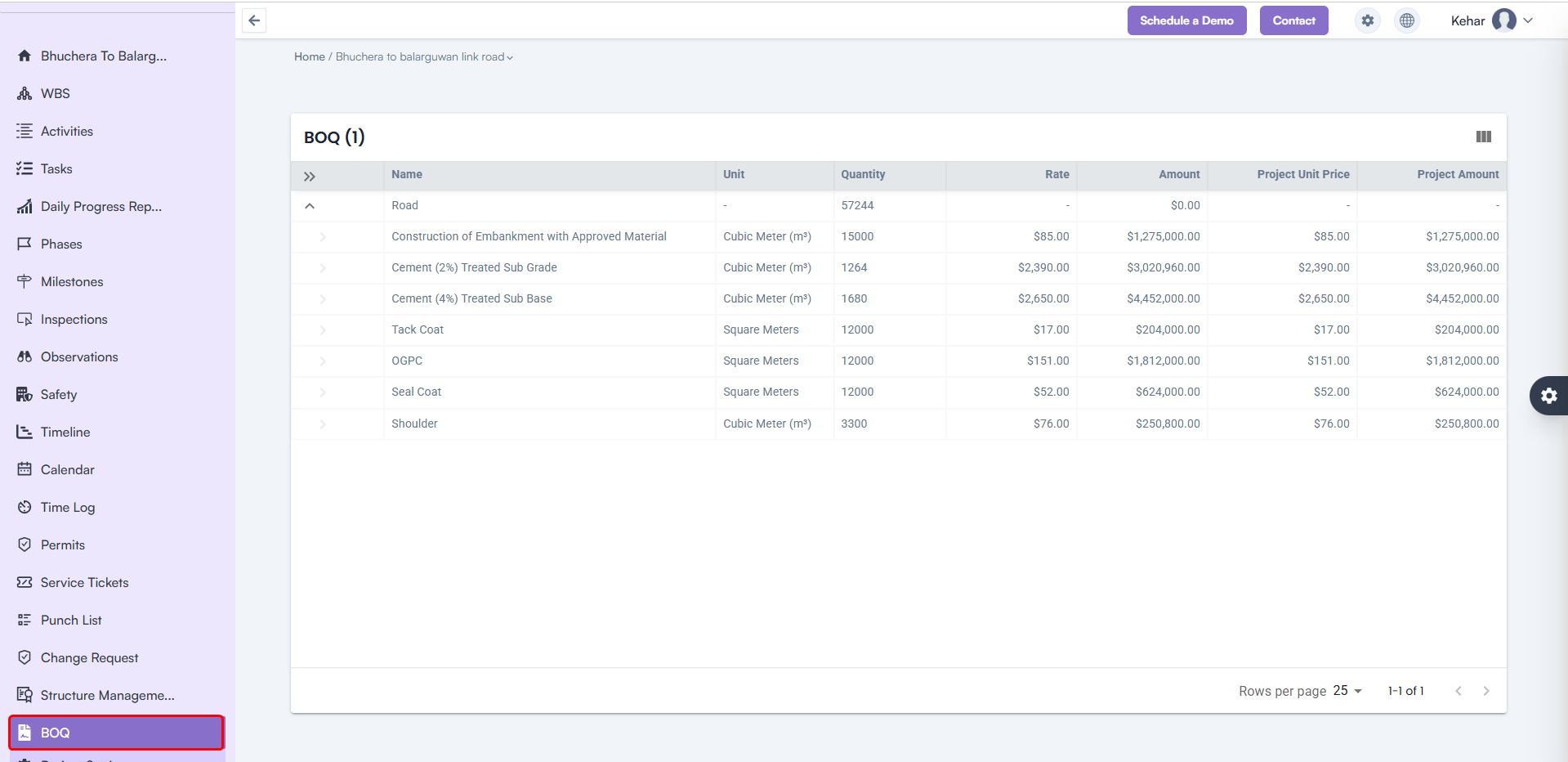
BOQ (Bill of Quantities) View

  • New Feature: Added a comprehensive BOQ View inside the Project Module.
  • Benefit: Gain detailed insights into material quantities, project cost structures, and financial transparency for every project phase.

BOQ (Bill of Quantities) View

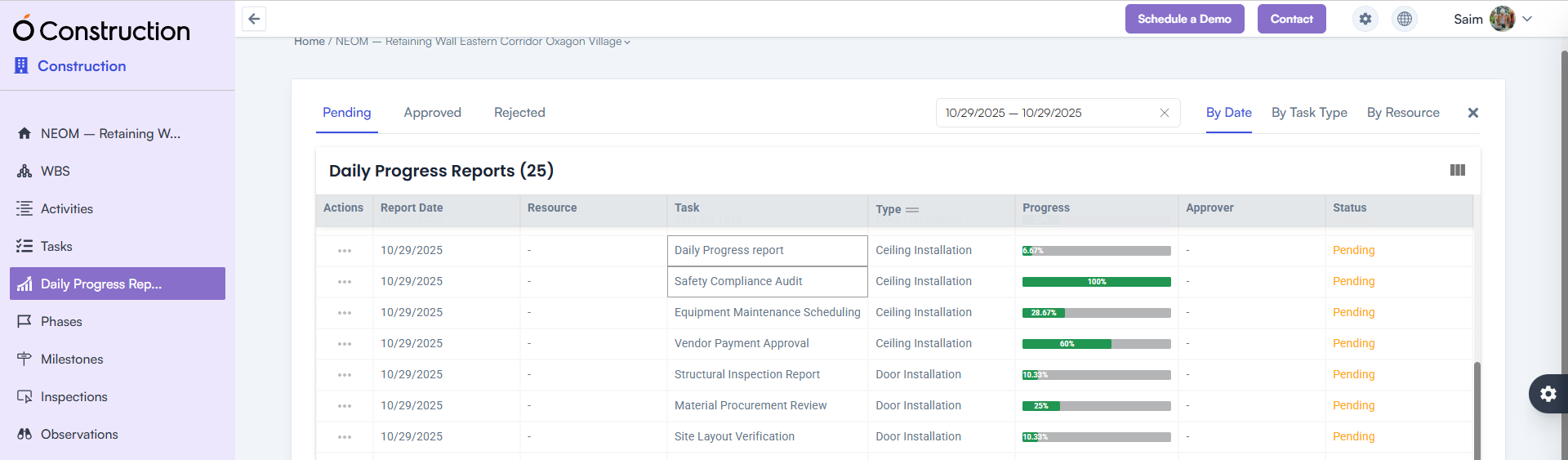
Daily Progress Report (DPR) Module

  • New Feature: Fully functional Daily Progress Report (DPR) module for both web and mobile platforms.
  • Benefit: Track on-site progress, log activities, and monitor daily updates to keep your team aligned.

Daily Progress Report (DPR) Module

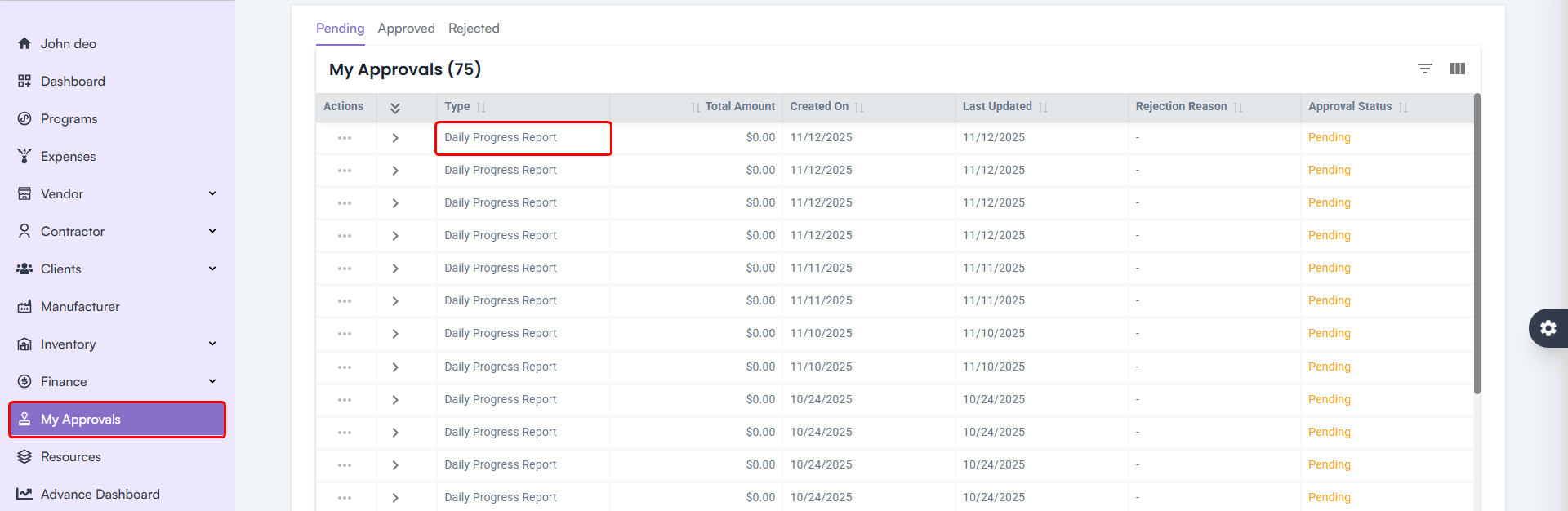
DPR Approval Workflow

  • Enhancement: Introduced a dedicated DPR approval process for validation and accountability.
  • Benefit: Ensures that only approved reports are finalized, improving data reliability and oversight.

DPR Approval Workflow

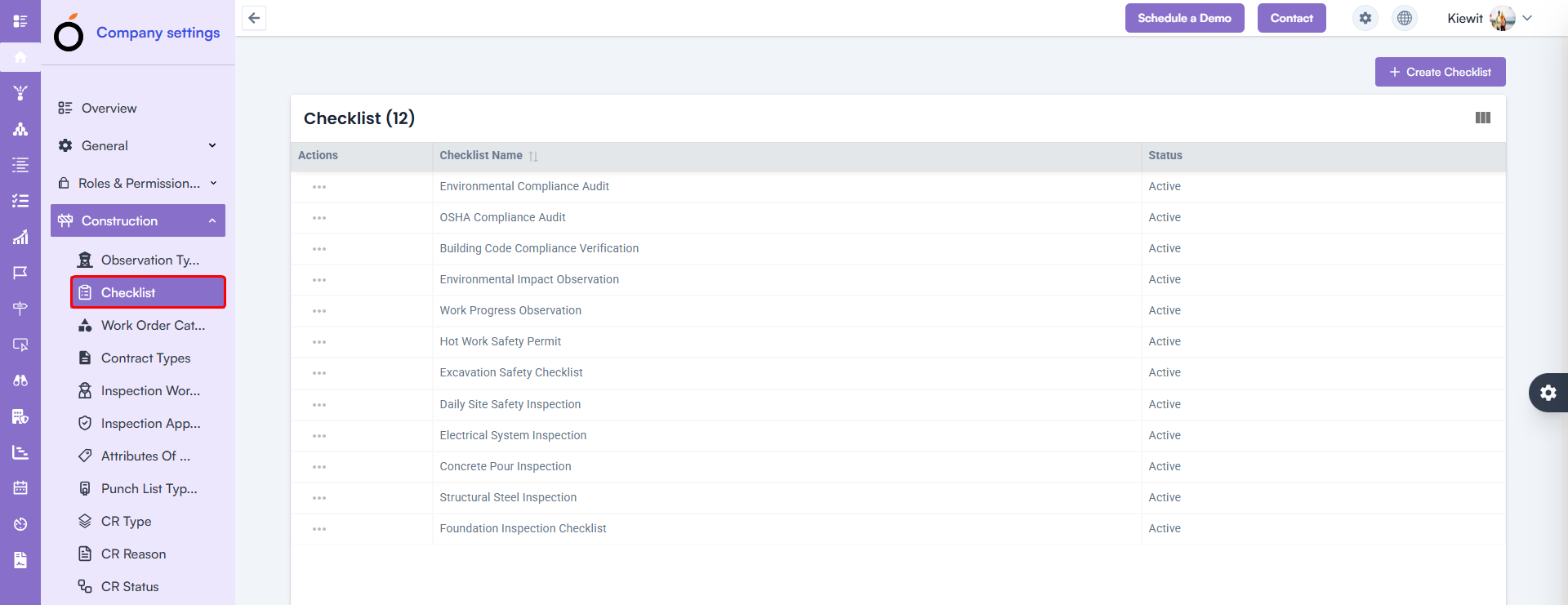
Checklist Module Fix

  • Issue Fixed: Checklist creation errors are now resolved.
  • Benefit: Teams can create and manage safety or inspection checklists smoothly without disruptions.

Checklist Module Fix

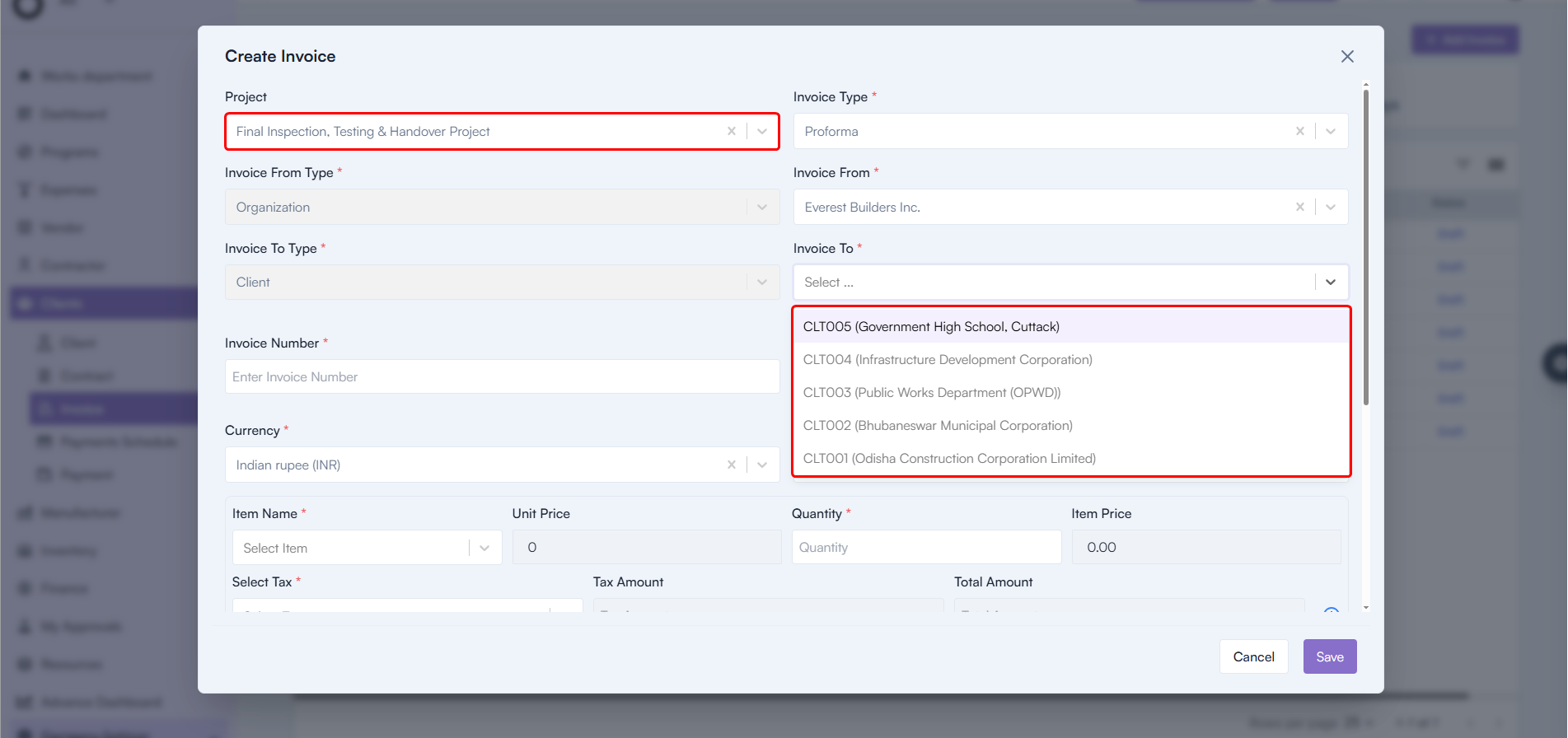
Client Module Enhancements

  • Issue Fixed: Addressed the invoice-related issues within the Client Module.
  • Impact: Billing processes are now more accurate and efficient, reducing errors during client transactions.

Client Module Enhancements

UI and User Experience Improvements

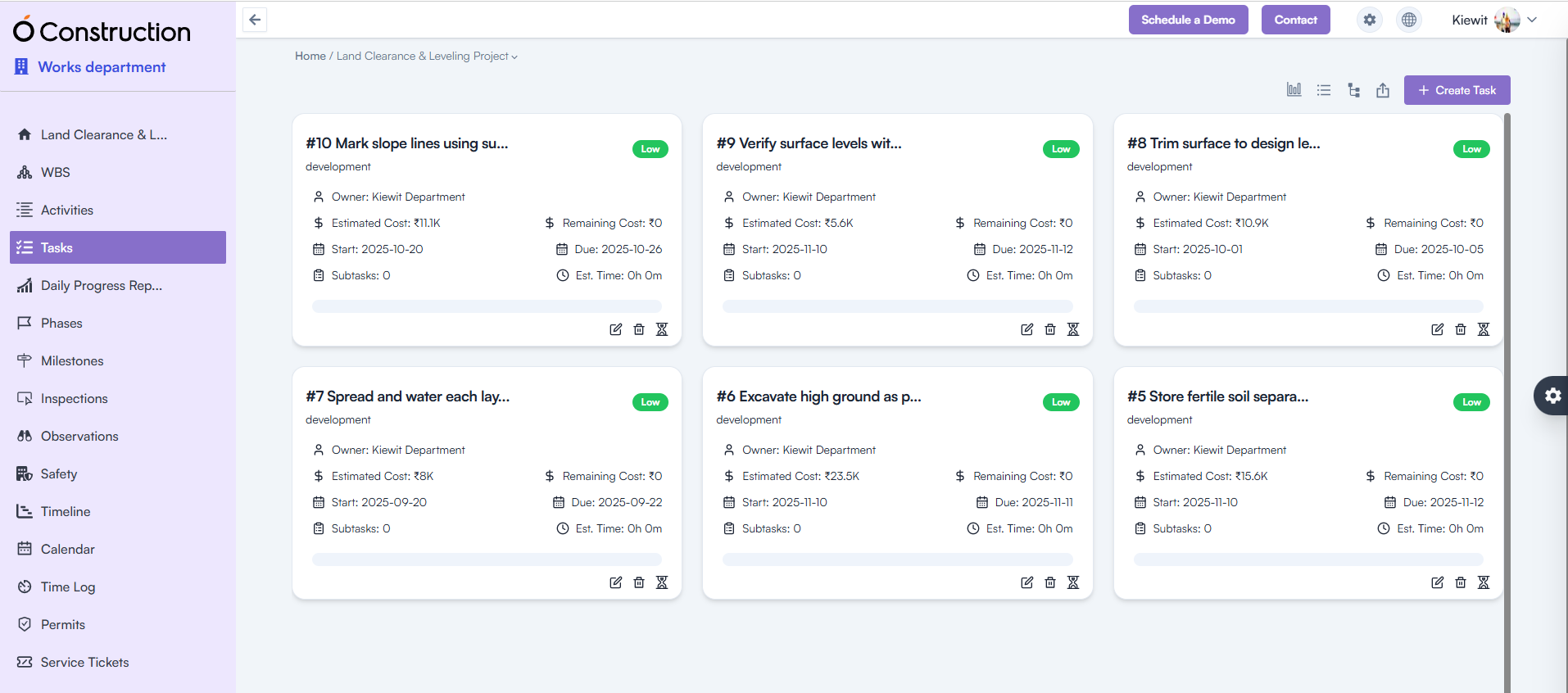
  • Enhancement: Improved layouts and alignments across Tasks, Activities, and WBS Level sections.
  • Benefit: Cleaner design, easier navigation, and more consistent user experience throughout the platform.

UI and User Experience Improvements

Conclusion

Each update in the OConstruction Release Notes reflects our commitment to improving system stability, productivity, and user satisfaction.

From BOQ and DPR module enhancements to vendor and invoice fixes, these improvements ensure your project management is faster, more precise, and fully optimized for on-site and back-office collaboration.

Stay tuned for future OConstruction Release Notes as we continue to innovate and redefine how construction teams plan, execute, and deliver success.

Building Construction Scheduling: Optimize Project Timelines to Reduce Costs and Delays

In construction, time is money — quite literally. A small delay in concrete curing or material delivery can cascade into weeks of lost productivity and inflated costs. That’s where building construction scheduling comes in — your blueprint for keeping projects on track, within budget, and aligned with client expectations.

But scheduling isn’t just about dates on a calendar. It’s about creating a dynamic, data-driven plan that adapts to real-world changes while maintaining overall control.

What is Building Construction Scheduling?

Building construction scheduling is the process of defining, sequencing, and managing all project activities to ensure timely completion. It involves identifying critical tasks, dependencies, milestones, and resource allocation to maintain a balanced workflow.

Think of it as the project’s GPS — showing you where you’re headed, predicting potential bottlenecks, and helping you make informed course corrections before delays hit.

Building-Construction-Scheduling

The Real Cost of Poor Scheduling

When construction schedules go wrong, the impact is immediate and costly:

  • Budget overruns from idle labor and equipment rentals
  • Missed deadlines leading to penalties or strained client relations
  • Resource conflicts that slow progress across sites
  • Safety issues from rushed work or overlapping tasks

A solid construction schedule isn’t just good project management — it’s a profit-protection strategy.

Key Elements of Effective Construction Scheduling

To optimize your project timeline, your schedule should include these core elements:

1. Work Breakdown Structure (WBS)

Break your project into manageable chunks — foundation, framing, electrical, plumbing, finishing, etc. Each task should have clear ownership and deliverables.

2. Task Dependencies

Understand what needs to happen first. Pouring the slab comes before framing; inspection before drywall. Mapping dependencies prevents rework and chaos.

3. Resource Allocation

Assign the right people, machinery, and materials to each phase. This ensures optimal productivity without overloading teams.

4. Critical Path Method (CPM)

Identify the longest sequence of dependent tasks that determine the total project duration. Monitoring this critical path helps you predict and prevent delays before they snowball.

5. Real-Time Tracking

Use modern scheduling tools to update progress instantly, manage changes, and communicate across stakeholders. Real-time visibility ensures every decision is data-backed.

Top Techniques for Better Construction Scheduling

1. Leverage Technology

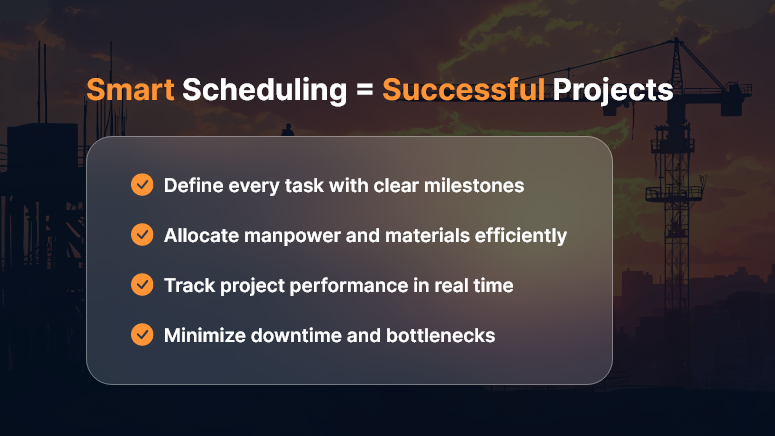
Ditch spreadsheets. Modern construction scheduling software provides interactive Gantt charts, resource tracking, and progress dashboards that make updates seamless and transparent.

2. Prioritize Communication

Scheduling is only effective when everyone follows it. Use collaboration platforms to align contractors, subcontractors, and suppliers on one timeline.

3. Build in Buffers

Unpredictable weather, material delays, or inspection hold-ups happen. Adding buffer time to critical tasks ensures flexibility without panic.

4. Monitor and Adjust

Regularly review progress vs. the baseline schedule. If the foundation stage slips, adjust downstream activities early — don’t wait for the project to derail.

5. Track Performance Metrics

Monitor schedule variance, earned value, and resource utilization to maintain performance visibility throughout the project lifecycle.

Benefits of Optimized Construction Scheduling

When done right, building construction scheduling delivers measurable business results:

  • Reduced project costs through efficient resource use
  • Fewer delays and disputes due to clear timelines and accountability
  • Improved client satisfaction from predictable delivery
  • Better cash flow management with milestone-based billing
  • Increased safety and productivity from structured workflows

A well-structured schedule isn’t just a document — it’s a strategic asset that drives profitability and trust.

Best Tools for Construction Scheduling

To make scheduling easier and smarter, consider tools like:

  • OConstruction Scheduler – purpose-built for project managers to plan, track, and optimize timelines in real time.
  • Primavera P6 – great for large infrastructure projects.
  • Microsoft Project – classic Gantt-based scheduling with resource tracking.
  • Orangescrum – flexible task and time management for agile teams.

Choose a platform that matches your project complexity and collaboration needs.

Common Mistakes to Avoid

Even experienced project managers fall into these traps:

  • Ignoring task dependencies or changing them without impact analysis
  • Failing to update schedules after every phase change
  • Over-committing resources to multiple overlapping tasks
  • Underestimating risk factors like weather or approval delays
  • Neglecting to communicate changes with all stakeholders

Avoid these, and you’ll already be ahead of most competitors.

Conclusion: Schedule Smart, Build Smarter

In today’s competitive environment, construction scheduling is no longer optional — it’s essential. A well-defined, actively managed schedule keeps your projects on time, on budget, and on scope.

Invest in robust scheduling tools, empower your teams with real-time visibility, and turn project planning into a strategic advantage. Because in construction, the best builders aren’t just those who build fast — they’re the ones who build on time, every time.

Key Takeaways

  • Plan early: Start scheduling during the design phase.
  • Stay flexible: Adapt to change while protecting milestones.
  • Use technology: Automate tracking and reporting.
  • Monitor progress: Keep everyone accountable.
  • Review lessons: Improve with every project.

FAQs

1. What is the main purpose of construction scheduling?

To ensure that all activities in a construction project are planned, sequenced, and executed on time to avoid delays and cost overruns.

2. What tools are best for construction scheduling?

Tools like OConstruction are popular for managing schedules, dependencies, and progress.

3. How often should a construction schedule be updated?

Ideally weekly, or after every major milestone, to reflect real-time progress and adjustments.

4. What’s the difference between CPM and Gantt charts?

CPM identifies critical tasks affecting total project time, while Gantt charts visualize timelines and dependencies.

5. Can scheduling help reduce project costs?

Yes. Efficient scheduling minimizes idle time, prevents rework, and ensures optimal resource utilization — directly lowering overall costs.

Supplier & Inventory Optimization: Balance Procurement While Minimizing Delays

In project-driven industries like construction, manufacturing, and engineering, the balance between procurement efficiency and inventory availability defines project success.

Delays in material delivery can halt operations, while overstocking drains cash flow and storage space.

This is where Supplier & Inventory Optimization plays a pivotal role — thereby ensuring you have the right materials, in the right quantity, at the right time, from the most reliable sources.

What Is Supplier & Inventory Optimization?

Supplier & Inventory Optimization is the strategic coordination between procurement teams, vendors, and warehouse operations to minimize delays, reduce costs, and enhance supply chain resilience.

It involves continuously analyzing supplier performance, material consumption patterns, and inventory levels to make data-driven decisions on when and how much to procure.

Simply put — it’s about striking the perfect balance between “not enough stock” and “too much stock.”
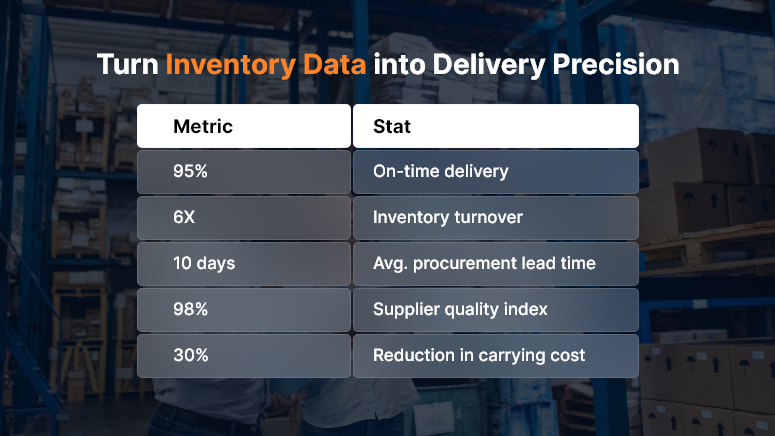
Turn Inventory Data into Delivery Precision

Why Balancing Procurement and Inventory Is Crucial

A well-optimized supplier and inventory ecosystem brings measurable business impact:

  • Fewer Project Delays: To begin with, materials arrive exactly when needed — neither too early nor too late — thereby preventing scheduling bottlenecks and ensuring on-time progress.
  • Lower Carrying Costs: Additionally, avoid locking up capital in idle inventory, which in turn helps reduce unnecessary storage expenses and optimize working capital.
  • Improved Cash Flow: Moreover, real-time tracking prevents over-purchasing, leading to better liquidity and smarter financial planning across projects.
  • Reduced Downtime: As a result, smart reordering mechanisms ensure zero stock-outs, allowing teams to maintain consistent productivity without interruptions.
  • Reliable Supplier Network: Finally, vendors are continually evaluated based on KPIs like delivery rate, quality, and responsiveness — therefore fostering a dependable and performance-driven supplier ecosystem.

When executed properly, these improvements ripple across the project lifecycle — boosting productivity, on-time delivery, and profitability.

Key Components of Supplier & Inventory Optimization

1. Demand Forecasting

Use historical project data and consumption trends to predict upcoming material requirements. Forecasting avoids last-minute purchases and ensures procurement aligns with actual project schedules.

2. Supplier Evaluation & Rating

Evaluate vendors based on parameters such as:

  • Delivery timeliness
  • Material quality
  • Responsiveness to change orders
  • Cost competitiveness
  • Compliance and certifications

Modern systems like OConstruction automate vendor scorecards and help identify high-performance suppliers.

3. Just-In-Time (JIT) Procurement

Adopt JIT principles to procure materials closer to the usage date, reducing warehouse load and carrying costs. For example, in EPC or infrastructure projects, steel or cement deliveries can be scheduled phase-wise instead of bulk orders.

4. Safety Stock & Buffer Strategy

Maintain minimal safety stock for critical materials with long lead times. This ensures work continuity in case of transportation disruptions, supplier delays, or quality rejections.

5. Integrated Procurement Scheduling

Synchronize procurement timelines with project Gantt charts and resource plans. When procurement, inventory, and project scheduling work in tandem, delays reduce drastically.

6. Inventory Visibility & Automation

Use digital inventory systems to track:

  • Current stock levels
  • Reserved quantities for projects
  • Reorder thresholds
  • Supplier lead times

Dashboards offer real-time insights, enabling proactive replenishment decisions.

How Technology Streamlines Supplier & Inventory Optimization

Modern SaaS tools like OConstruction are revolutionizing how project-based businesses manage procurement.

Key benefits include:

  • Automated Reorder Triggers: To start with, get instant alerts whenever materials hit their minimum stock levels, ensuring timely replenishment and uninterrupted project progress.
  • Supplier Portals: Moreover, enable vendors to upload invoices, shipment details, and certifications online — thereby improving transparency and reducing manual follow-ups.
  • Material Tracking: In addition, Barcode or QR code integration ensures accurate stock movement logs, allowing teams to trace every material from procurement to usage.
  • Real-Time Analytics: Furthermore, track supplier performance, lead times, and fulfillment metrics in real time, helping you identify bottlenecks and optimize sourcing strategies.
  • Budget Integration: Finally, ensure every purchase order aligns with financial constraints and project budgets — therefore maintaining cost control and financial discipline throughout the project lifecycle.

These platforms bring transparency, accountability, and agility across the procurement lifecycle.

Strategies to Minimize Procurement Delays

  • Multi-Vendor Sourcing: To begin with, don’t rely on a single supplier — instead, build redundancy for critical items to ensure uninterrupted material availability.
  • Pre-Qualification: Next, approve vendors based on compliance, quality history, and delivery capacity before project initiation, thereby reducing risks from unreliable sources.
  • Digital PO Tracking: Furthermore, implement systems to monitor every purchase order’s lifecycle — from approval to delivery — so that nothing slips through the cracks.
  • Collaborative Forecasting: In addition, share project timelines and demand forecasts with suppliers to help them plan production and logistics more effectively.
  • Contractual SLAs: Finally, include penalties for late delivery as well as bonuses for early or on-time supply, ensuring accountability and driving consistent supplier performance.

KPIs for Measuring Supplier & Inventory Optimization
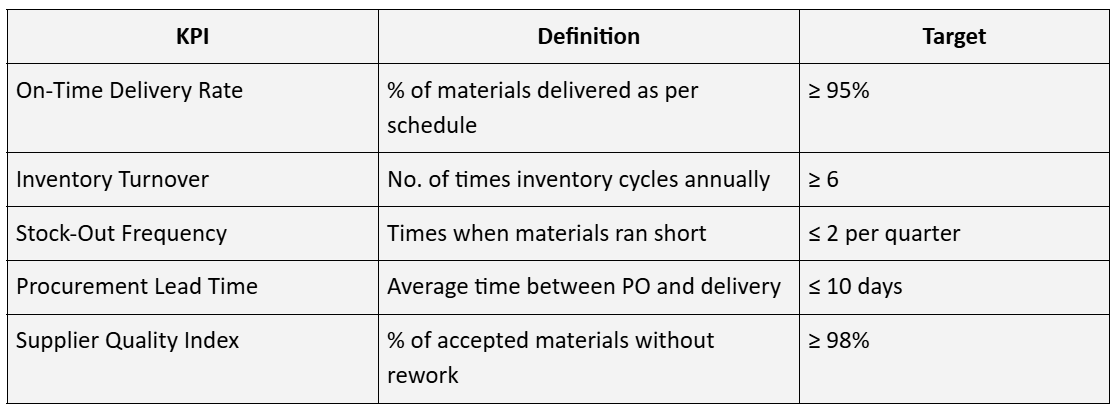
KPIs for Measuring Supplier Inventory Optimization

Tracking these KPIs ensures continuous improvement and accountability across your procurement and warehouse ecosystem.

Use Case

Imagine a construction project with multiple subcontractors waiting for rebar and concrete. In such scenarios, even one delayed delivery can halt the entire chain — ultimately increasing idle time and cost.

However, without optimized supplier coordination, these delays become frequent and costly. That’s why using OConstruction’s Vendor & Inventory Module can make all the difference.

With this module, project managers can:

  • Proactively get alerts for upcoming material requirements.
  • Seamlessly issue automated POs to pre-approved vendors.
  • Consistently track deliveries against work progress.
  • Efficiently maintain lean yet sufficient inventory at each site.

As a result, teams achieve timely execution, reduced wastage, and enhanced supplier relationships — ensuring smoother project delivery from start to finish.

Conclusion

Supplier & Inventory Optimization isn’t just a supply-chain concern — it’s a strategic pillar of project success.

When procurement, vendors, and inventory teams collaborate through digital systems, projects stay on schedule and within budget.

The key lies in data-driven decisions, automation, and continuous performance monitoring.

Frequently Asked Questions (FAQs)

1. What is supplier and inventory optimization?

Supplier and inventory optimization is the process of aligning procurement, supplier management, and inventory control to ensure materials are available when needed — without overstocking or causing project delays. It helps balance cost, timing, and supply reliability.

2. Why is supplier optimization important in project management?

Ultimately, supplier optimization ensures you collaborate with reliable, high-performing vendors. As a result, these partners consistently deliver quality materials on time, within scope, and in full alignment with project requirements. This reduces risks like project delays, cost overruns, and rework, while improving overall operational efficiency.

3. How can inventory optimization reduce project costs?

By maintaining optimal stock levels — neither excess nor shortage — you save money on storage, avoid material wastage, and keep cash flow healthy. Smart forecasting and real-time tracking prevent costly last-minute purchases.

4. What are the key techniques used for supplier and inventory optimization?

Common techniques include:

  • Demand forecasting based on project schedules
  • Just-In-Time (JIT) procurement
  • Supplier evaluation and rating systems
  • Automated reorder points
  • Safety stock planning for critical materials

5. How does technology improve supplier and inventory optimization?

Modern platforms like OConstruction integrate procurement, warehouse, and supplier data in real time. Features such as supplier portals, automated purchase orders, and stock-level dashboards enable faster, data-driven decision-making and reduce manual errors.

6. What KPIs should I track to measure supplier and inventory performance?

Key performance indicators include:

  • On-time delivery rate
  • Stock turnover ratio
  • Procurement lead time
  • Supplier quality score
  • Inventory carrying cost

Tracking these metrics helps ensure continuous improvement and accountability.

7. How can Just-in-Time (JIT) procurement help minimize delays?

JIT ensures materials are delivered just before they’re needed, preventing storage bottlenecks and capital lock-up. When linked with real-time project schedules, JIT minimizes both idle time and material unavailability.

8. What are the challenges in balancing procurement and inventory?

To begin with, construction projects often face several challenges — including supplier unreliability, inaccurate demand forecasts, transportation delays, as well as poor communication between procurement and site teams. Moreover, using integrated systems helps overcome these hurdles efficiently.

9. How does OConstruction help with supplier and inventory optimization?

OConstruction Provides a unified dashboard for managing vendors, purchase orders, and inventory levels. With this integrated system, you can track supplier KPIs effortlessly, while also automating reorders to maintain optimal stock levels. Moreover, it helps align procurement activities with project timelines, ensuring that materials arrive exactly when needed. As a result, you gain real-time visibility across all sites — thereby minimizing delays and reducing wastage.

10. What’s the difference between inventory optimization and warehouse management?

Inventory optimization focuses on how much and when to stock, while warehouse management deals with how and where to store materials. Both are interconnected — optimized inventory leads to efficient warehouse operations.

Category: Construction Academy

Subcategory: Budgeting and Planning

Subcategory: Construction Phase

Subcategory: Design Coordination

Subcategory: Estimation Techniques

Subcategory: Initiation and Feasibility

Subcategory: Introduction

Subcategory: Personal Management

Subcategory: Project Close-Out

Subcategory: Project Scheduling

Subcategory: Project Teams

Subcategory: Proposal Management

Subcategory: Total Quality Management

Subcategory: Tracking and Control

Subcategory: Work Breakdown

Category: Help Desk

Subcategory: Client

Subcategory: Construction 101

Subcategory: Contractor Management

Subcategory: Expense

Subcategory: Finance Budget

Subcategory: Inventory Management

Subcategory: My Approvals

Subcategory: Site Management

Subcategory: Vendor Management