Top Toolbox Talk Topics for High-Risk Construction Activities

Every construction project involves risk — but some tasks pose far greater dangers than others. OSHA reports that nearly 20% of construction fatalities occur during high-risk activities such as working at heights or operating heavy machinery.

To keep workers protected and operations compliant, project teams must hold regular and well-planned toolbox talks. These short, focused safety meetings reinforce awareness, prevent incidents, and ensure teams understand hazards before starting work.

This guide highlights the top toolbox talk topics for high-risk construction activities and explains how to plan, deliver, and document your talks more efficiently using digital workflows with OConstruction.
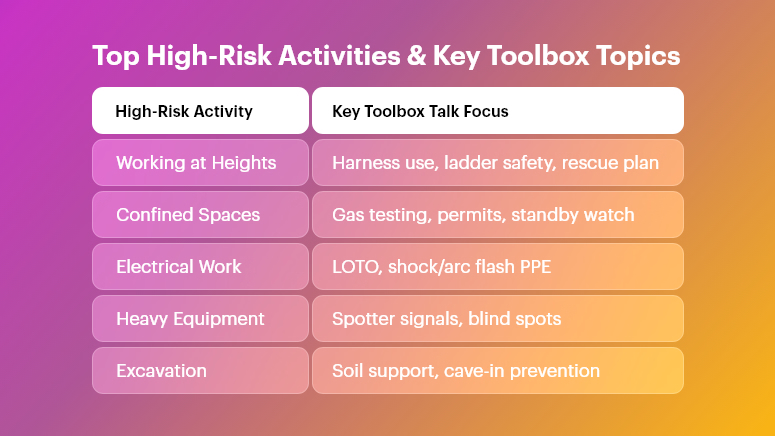
Top High-Risk Activities & Key Toolbox Topics

Regulatory Standards

  • OSHA Standards for Toolbox Talks

While OSHA doesn’t mandate a specific format for toolbox talks, 1926.21(b)(2) requires employers to instruct workers on health and safety practices relevant to their tasks.

Toolbox talk topics should align with major OSHA requirements, including:

  • Fall Protection — 29 CFR 1926.501
  • Excavation Safety — 29 CFR 1926.651
  • Electrical Safety — 29 CFR 1926 Subpart K
  • PPE — 29 CFR 1926 Subpart E

Maintaining clear records of discussions, attendance, and corrective actions helps demonstrate compliance.

  • ISO Standards and Best Practices

ISO 45001:2018 emphasizes risk reduction through:

Aligning toolbox talks with ISO principles promotes a strong safety culture and more consistent performance.

Essential Toolbox Talk Topics for High-Risk Activities

Every jobsite is unique — but the following topics remain the highest priority across most projects.

Working at Heights

Confined Spaces

  • Permit-required confined space entry
  • Oxygen and gas monitoring
  • Entry/exit volunteers and standby watch
  • Reliable communication systems

Electrical Safety

  • Lockout/Tagout (LOTO)
  • Ground fault circuit protection
  • Power line approach distances
  • Shock and arc flash PPE

Hazardous Materials

  • Proper labeling (GHS/Hazard Communication Standard)
  • Handling and chemical compatibility
  • Spill prevention and emergency cleanup
  • Storage area ventilation and segregation

Heavy Equipment Operation

  • Pre-start and walk-around inspections
  • Spotter communication and hand signals
  • Load stability and traffic control routes
  • Blind spot awareness and pedestrian safety

Excavation and Trenching

  • Soil classification and slope protection
  • Daily inspections by a competent person
  • Safe distance for spoils and heavy loads
  • Preventing cave-ins and engulfment

Preparing Effective Toolbox Talks

Successful meetings start with proper preparation:

  • Identify current jobsite hazards
  • Select topic based on upcoming work
  • Research OSHA and ISO requirements
  • Include visuals or live demonstrations
  • Schedule talks consistently (daily or weekly)

The goal is clarity, relevance, and practicality.

Delivering Engaging Toolbox Talks

Workers need information they can relate to — not lectures.

Effective communication tips:

  • Share real incidents and near-misses
  • Use simple, direct language
  • Ask questions and encourage opinions
  • Allow different presenters to take turns
  • Keep meetings to 10–15 minutes

Engagement drives adoption — and adoption drives results.

Follow-Up and Documentation

A toolbox talk only works if proper action follows.

Your documentation procedure should include:

  • Attendance tracking (digital preferred)
  • Notes on hazards discussed
  • Assigned actions with deadlines
  • Post-meeting hazard verification
  • Triggering refresher sessions when needed

Digital logs speed up audits, compliance checks, and reporting.

Manual vs. Digital Workflows Comparison

Aspect Manual Workflow Digital Workflow (OConstruction)
Planning Paper calendars, email reminders Automated scheduling
Delivery Printed sheets, verbal Mobile presentations & videos
Attendance Sign-in sheets GPS-enabled mobile check-in
Records Paper binders Cloud-based storage & instant access
Reporting Manual spreadsheets Dashboards & analytics
Follow-Up Sticky notes, email chains Task assignments & alerts

Digital workflows ensure zero lost data and greater accountability.

Digital Toolbox Talks and Software-Enabled Workflows

Modern technology empowers safety teams to deliver:

  • Interactive training (images, videos, quizzes)
  • Instant updates when regulations change
  • Photo-based incident reporting
  • Integration with OConstruction DPR and forms
  • Trend tracking and predictive insights

Compliance becomes easier — and crews stay more informed.

Toolbox Talk Checklist

(Use for planning and auditing safety talks)

  • Topic aligns with job hazards
  • Visual examples ready
  • Attendance capture method set
  • PPE demonstration included
  • Follow-up actions documented
  • Feedback collection planned

Daily Safety Briefing Template

Fields include:

  • Date and location
  • Topic and hazards
  • Presenter name
  • Workers in attendance
  • Corrective actions to complete

Ideal for high-risk tasks that require daily safety reviews.

Real-World Examples

  • A high-rise contractor detected missing guardrails during a working-at-heights talk and prevented a major incident
  • A chemical storage crew improved audit scores after daily Hazard Communication reviews
  • A tunneling project cut confined-space delays by 30% using digital permits and talk templates

Small conversations lead to major improvements.

Frequently Asked Questions

  • What is a toolbox talk?

A short safety meeting that focuses on hazards related to upcoming work.

  • How often should toolbox talks be held?

Daily for high-risk tasks — weekly for general safety awareness.

  • Does OSHA require toolbox talks?

OSHA requires safety training but not a fixed toolbox talk format.

  • Can toolbox talks be digital?

Yes — digital formats improve recordkeeping, participation, and compliance.

  • Who should lead toolbox talks?

A safety officer or supervisor — but rotating presenters encourages engagement.

  • What are the most important topics?

Working at heights, confined spaces, electrical safety, hazardous materials, heavy equipment, and excavation.

  • How do digital workflows improve talks?

They automate scheduling, tracking, reporting, and evidence compliance.

  • How does OConstruction help?

With templates, digital sign-offs, hazard logs, photo evidence, and dashboards.
The Complete Guide to Effective Toolbox Talks for Construction Teams

Construction sites change constantly — new workers arrive, machines move, and hazards shift. Therefore, crews must stay alert. Surprisingly, OSHA notes that almost 60% of construction injuries are preventable through frequent toolbox talks and safety briefings.

Because these talks are short, targeted, and relevant to daily tasks, they strengthen construction safety culture and ensure compliance with industry standards. This guide explains exactly how to improve your toolbox talks and make every session more actionable.

You’ll learn:

  • OSHA and ISO requirements for toolbox talks
  • High-impact safety meeting topics
  • How to prepare and deliver engaging sessions
  • Follow-up and documentation best practices
  • Digital workflows for safety compliance
  • Templates, checklists, and real-world results

By the end, you’ll be ready to make tomorrow’s talk your best yet.

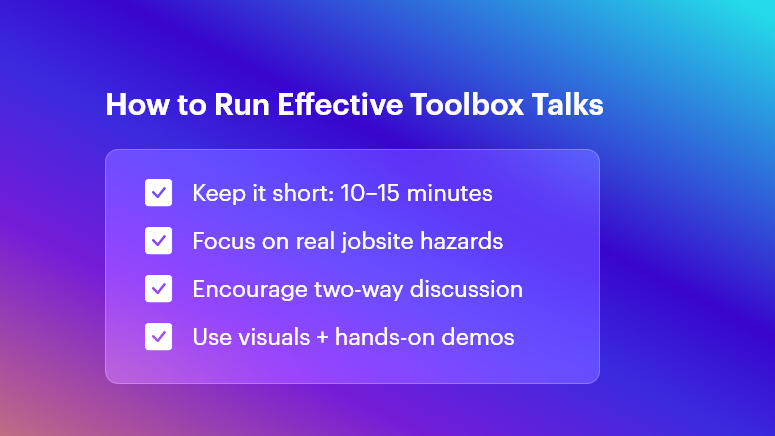
How to Run Effective Toolbox Talks

Regulatory Importance of Toolbox Talks

OSHA Requirements

OSHA Standard 1926.21(b)(2) requires hazard training for all employees. Consequently, toolbox talks help you:

  • Discuss active jobsite hazards
  • Document topic + attendance
  • Maintain proof for compliance audits

So, when talks happen consistently, they reduce risk and improve safety accountability.

ISO 45001 Standards

ISO 45001 encourages proactive safety communication. Clause 7.4 highlights:

  • Worker involvement
  • Continuous improvement
  • Transparent record keeping

Thus, talks keep workers informed and encourage shared responsibility for safety.

Top Topics for Effective Toolbox Talks

Relevant topics keep workers engaged. The best toolbox talks cover:

  • Fall protection + ladder safety
  • PPE selection and correct usage
  • Electrical hazards and lockout/tagout
  • Equipment and machinery inspections
  • Fire prevention and emergency plans
  • Reporting incidents and near-misses

Consistent talks ensure everyone focuses on real risks happening on-site.

How to Prepare Your Toolbox Talks

Prepared talks are more engaging and practical. Always include:

  • A clear hazard-based subject
  • Visual aids like examples, photos, or short demos
  • A simple 5-minute script
  • A confident, trained presenter
  • A checklist to ensure completeness

As a result, workers understand what to do, why it matters, and who is responsible for action.

Delivering Engaging Toolbox Talks

Even short talks can be powerful if delivered well. To increase impact:

  • Start on time and keep it brief (10–15 min)
  • Ask workers to share risks they’ve spotted
  • Connect the topic to recent incidents or hazards
  • Show PPE or tools — don’t just talk about them
  • Recognize safe behavior publicly
  • Document participation every time

When toolbox talks become conversations, not lectures, safety becomes culture.

Follow-Up and Documentation

Great talks continue after everyone returns to work. Consequently, you should:

  • Assign ownership for unresolved issues
  • Track corrective actions with due dates
  • Store session documentation in a secure system
  • Review trends weekly for improvement

Documentation from talks also speeds up compliance audits.

Why Digital Toolbox Talks Are the Future

Manual paperwork creates delays and errors. Instead, using digital toolbox talks:

Category Manual OConstruction
Preparation Paper printouts Pre-built templates
Attendance Sign-in sheets Mobile check-in + GPS
Storage Bulky binders Cloud archive
Reporting Slow & inconsistent Instant dashboards
Follow-Up Email reminders Automated tasks

Therefore, digital toolbox talks improve transparency, real-time visibility, and compliance.

Real-World Results Using Digital Toolbox Talks

High-Rise Crane Work

Focus: Fall + wind hazards

Result: Zero fall incidents in 6 months

Concrete Pouring

Focus: PPE against wet concrete

Result: 35% PPE improvement through reminders

Trench & Excavation

Focus: soil collapse risks

Result: Faster hazard corrections via mobile app

Digital workflows make the safest option the easiest option.

Expert Best Practices for Toolbox Talks

Industry experts agree that effective talks can reduce incidents by 30% or more.

Top recommendations:

  • Rotate presenters
  • Include jobsite photos
  • Invite two-way participation
  • Reward safe behavior
  • Align topics with current risks

Because safety is not a rule — it’s a culture.

Toolbox Talk Checklists & Template

Quality Checklist (Before Every Session)

  • Topic aligns with current hazards
  • Visual aids prepared
  • Presenter ready
  • Attendance tracking available
  • Talking points finalized
  • Follow-up actions included
  • Documentation saved

Daily Safety Briefing Template

  • Date + location
  • Presenter name
  • Crew list + signatures
  • Hazards identified
  • Assigned actions

Short — but consistently effective.

Conclusion + Action Step

To summarize, toolbox talks:

  • Improve daily safety awareness
  • Reduce preventable injuries
  • Support OSHA and ISO compliance
  • Empower every worker to speak up

If you want faster reporting, stronger engagement, and better safety outcomes, upgrade to digital toolbox talks with OConstruction.

FAQs

  • What are toolbox talks?

Short safety meetings that highlight specific hazards and safe practices before work begins.

  • How often should these talks be held?

Ideally, daily for high-risk activities and weekly for general safety topics.

  • Do toolbox talks support OSHA compliance?

Yes, when properly documented, talks fulfill OSHA hazard-training expectations.

  • Who should run toolbox talks?

A trained supervisor or safety officer — rotating presenters keeps engagement high.

  • Can toolbox talks be digital?

Absolutely! Digital talks provide automation, analytics, and reliable documentation.

Transforming Safety Culture with Structured Jobsite Safety Meetings

Construction is one of the most dynamic yet hazardous industries. Project timelines are aggressive, the work environment changes daily, and crews often juggle multiple high-risk activities simultaneously.

According to the Bureau of Labor Statistics, over 20% of annual workplace injuries occur on construction sites — reinforcing the urgent need for proactive safety measures.

A strong safety culture doesn’t happen by chance. It starts with clear, consistent, and structured communication. Structured Jobsite Safety Meetings — commonly known as toolbox talks — give crews the knowledge and awareness they need to identify hazards before they lead to incidents.

When conducted effectively, these meetings reduce injuries, strengthen compliance, and create a jobsite where every worker feels responsible for their own safety and that of their teammates.

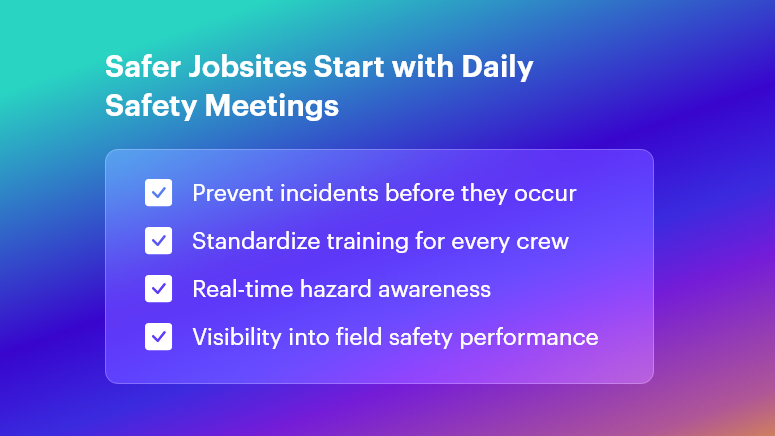
Safer Jobsites Start with Daily Safety Meetings

What Are Structured Jobsite Safety Meetings?

Unlike informal safety reminders that may vary by supervisor or shift, Structured Jobsite Safety Meetings follow a planned format. These sessions typically take place at the start of the day or before high-risk work begins.

A structured approach ensures:

  • Every worker hears the same information
  • Key hazards are reviewed regularly
  • Tasks and roles are clearly defined
  • Safety improvements become continuous

These aren’t long lectures — they are focused, practical discussions aligned with job activities happening that day.

Key characteristics include:

  • A consistent agenda — schedule, topic, responsibilities
  • Direct relevance to current site conditions
  • Short duration to maintain engagement
  • Documentation for accountability and compliance

In construction projects when teams expect these meetings and see real benefits on the field, safety becomes a shared value — not a checklist.

Regulatory Context: OSHA and ISO Standards

OSHA Requirements for Toolbox Talks

OSHA (29 CFR 1926.21) requires employers to provide safety training that equips workers to perform tasks safely. Although OSHA does not strictly mandate daily toolbox talks, frequent and documented safety instruction is strongly encouraged — especially on sites with evolving hazards.

Essential records include:

  • Meeting topic and focus area
  • Date, time, and duration
  • Trainer/facilitator name
  • Attendee list with signatures

These documents help demonstrate due diligence during audits or legal reviews.

ISO Guidance for Safety Culture

ISO 45001:2018 highlights worker involvement, hazard prevention, and ongoing performance reviews as the foundation of safety excellence. Structured meetings directly support these goals by ensuring:

  • Open communication between workers and supervisors
  • Regular review of incidents or near-misses
  • Preventive actions rather than reactive fixes

This alignment strengthens both safety outcomes and organizational credibility.

Key Topics for Toolbox Talks

Topics must remain timely and relevant to the jobsite’s immediate hazards.

Daily Hazards and Controls

Construction sites change fast. New subcontractors, material shifts, excavation, weather — all bring potential risks. Daily hazard talks ensure no one walks into the unknown.

Examples:

  • Fall protection and tie-off points
  • Confined space entry precautions
  • Overhead work alerts
  • Chemical exposure and SDS awareness

Personal Protective Equipment (PPE)

Understanding proper PPE use prevents common but serious injuries. Discussions often include:

  • Hard hat and eye protection requirements
  • Choosing gloves based on the task (cut-resistant, chemical-resistant, etc.)
  • Respirator fit testing and maintenance

Emergency Response

Emergencies rely on speed and clarity. These meetings reinforce:

  • Fire response and extinguisher types
  • First aid procedures and responsible personnel
  • Evacuation routes and muster points

Equipment and Machinery Safety

Heavy machinery incidents are among the industry’s most severe. Toolbox talks help reduce risks by covering:

  • Pre-operation inspections
  • Lockout/tagout procedures
  • Correct crane signaling and load limits

These sessions encourage operators and laborers alike to speak up when something looks unsafe.

Preparing for Structured Jobsite Safety Meetings

Preparation is key to value.

A good safety meeting is:

  • Short but meaningful
  • Interactive, not one-directional
  • Supported with visual or real materials

Safety leads should review site conditions, recent incidents, and upcoming activities to choose the most relevant topic.

Essential tools include:

  • Photos of current hazards
  • Manufacturer instructions for new equipment
  • OSHA/ISO guidance where applicable
  • A printing or digital attendance system

Creating a rotation for who leads discussions can also boost crew ownership and engagement.

Delivering Effective Safety Meetings

Content alone doesn’t engage workers — delivery does.

Techniques that maximize participation:

  • Share a recent near-miss to build awareness
  • Use jobsite photos instead of generic examples
  • Demonstrate proper PPE or equipment handling
  • Ask workers to share what could go wrong

When meetings invite two-way communication, crews are more likely to take accountability and act on what they learn.

Proven results:

  • On a Chicago high-rise, reinforcing crane signals eliminated miscommunication incidents for six months
  • A California bridge project combined electrical hazard demos with team challenges — leading to a 40% engagement boost and 25% fewer near-misses

These successes highlight why engagement matters just as much as compliance.

Follow-Up and Continuous Improvement

Safety doesn’t end when the meeting does.

Effective programs include:

  • Action tracking — every issue assigned with deadlines
  • Recordkeeping — notes stored in a centralized system
  • Regular reviews — detection of patterns and recurring hazards

Feedback loops — like monthly surveys or end-of-week debriefs — help ensure every meeting addresses real field concerns.

Structured meetings become a living process, not a static requirement.

Digital Toolbox Talks and Software-Enabled Workflows

While manual sign-in sheets and binders work, digital solutions elevate consistency and accountability.

Benefits of digital workflows:

  • No lost paperwork
  • Faster audit preparation
  • Real-time communication
  • Photo documentation with timestamps
  • Work history accessible anytime, anywhere

OConstruction’s Safety Meeting Solution

OConstruction streamlines:

  • Topic planning with pre-built templates
  • Digital attendance and signatures
  • On-site hazard photo capture
  • Automated reporting into DPRs

This keeps safety aligned with field productivity instead of slowing it down.

Case Studies: OConstruction in Action

  • A mid-size contractor saved over 120 hours per month by eliminating paper sign-off workflows — and compliance audit scores jumped from 78% to 95%
  • A specialty contractor improved PPE usage by 30% within 90 days with digital reminders and incident logging

Digital adoption leads to measurable improvements in safety behavior.

FAQs

What is a Structured Jobsite Safety Meeting?

A Structured Jobsite Safety Meeting, also called a toolbox talk, is a short and scheduled discussion focused on the specific safety hazards and precautions for that day’s work. It helps ensure every crew member understands risks, responsibilities, and safe work practices.

How often should safety meetings take place on a construction site?

Most contractors conduct safety meetings daily before work begins. However, weekly sessions can also be effective depending on project complexity and risk. OSHA encourages ongoing, frequent training aligned with changing jobsite conditions.

Who is responsible for leading safety meetings?

Typically, the site safety officer or supervisor facilitates the meeting. However, rotating the responsibility among team members can improve engagement and build a stronger safety culture.

What information should be documented during safety meetings?

Documentation should include the date, topic, facilitator, attendee list with signatures, and any hazards identified or actions assigned. Proper records help demonstrate compliance during audits or investigations.

What topics should be covered during toolbox talks?

Topics should match real jobsite hazards — such as fall protection, trench safety, PPE usage, emergency response, electrical risks, or equipment operation. The most effective topics are directly related to tasks happening that day.

How long should a Structured Jobsite Safety Meeting last?

Most meetings are brief — usually 10 to 15 minutes. The goal is to keep crews alert, informed, and engaged without delaying operations.

Why are digital toolbox talks becoming popular?

Digital platforms reduce paperwork, improve accuracy, store records securely, and allow instant sharing of photos or incident notes. They provide real-time visibility for managers and make audits significantly easier.

Are digital toolbox talks compliant with OSHA?

Yes. OSHA does not require physical paperwork. As long as the documentation contains the required details — topic, date, facilitator, and signatures — digital logs fully meet compliance needs.

How do structured safety meetings help reduce incidents?

They empower workers to identify hazards early, reinforce safe behaviors daily, and encourage open communication about risks. This proactive approach helps prevent injuries instead of reacting after they occur.

How can OConstruction support safety meeting workflows?

OConstruction offers pre-built toolbox talk templates, mobile sign-offs, image-based hazard documentation, automated reporting, and centralized digital records — helping teams stay compliant and productive with less effort.

Why Do Daily Safety Meetings Matter Before Work?

Construction sites are filled with dynamic hazards — changing weather, new subcontractors, shifting equipment, and high-risk work zones. Even the most experienced team can overlook danger when rushing into the day. That’s why daily safety meetings (also called toolbox talks) are essential. Studies show that up to 25% of incidents occur due to communication failures before work begins.

By aligning crews on the day’s hazards and expectations, companies dramatically reduce injuries and delays — while improving productivity and morale.

This guide breaks down what makes daily safety meetings effective, regulatory expectations, best practices, and how software like OConstruction transforms the entire workflow.

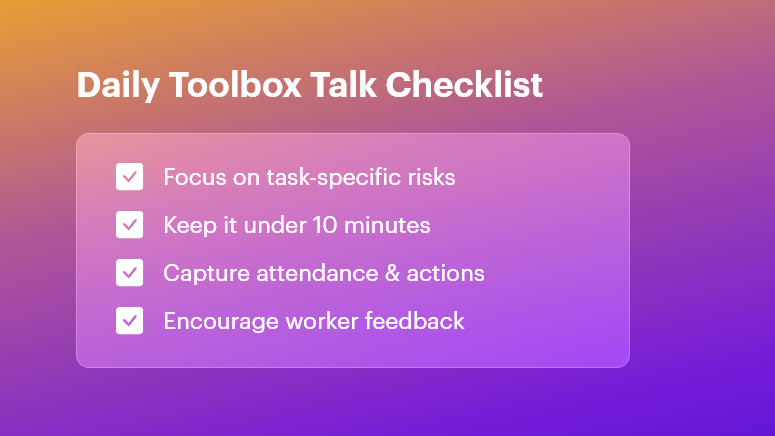
Daily Toolbox Talk Checklist

What Are Daily Safety Meetings?

Daily safety meetings are short, focused safety discussions held before shifts start. They help teams:

  • Identify job-specific hazards
  • Review preventive actions
  • Confirm roles and communication
  • Encourage worker feedback
  • Build a culture of accountability

These 5–10 minute meetings ensure everyone begins the day informed and aligned.

Regulatory Requirements

Even though OSHA doesn’t explicitly require daily talks, they enforce strict obligations around safety communication and training.

OSHA Compliance

Daily safety meetings support:

  • 29 CFR 1926.21(b)(2): Employer must instruct workers in jobsite hazards
  • Training documentation and verification
  • Hazard communication requirements

Consistent toolbox talks prove proactive safety efforts during audits and investigations.

ISO 45001 Compliance

ISO 45001:2018 emphasizes:

  • Worker participation
  • Hazard identification
  • Continual improvement via the PDCA cycle

Daily safety meetings strengthen communication and documented improvements, helping companies keep certification intact.

Key Topics for Daily Safety Meetings

Diversifying topics keeps employees engaged and safety practices relevant.

Hazard Recognition

  • Fall protection
  • Excavation and trench safety
  • Weather-related risks
  • Confined space entry

Equipment and Tool Safety

  • Crane/hoist operations
  • Scaffolding safety
  • Lockout/tagout (LOTO)
  • Battery & pneumatic tool handling

PPE Awareness

  • Correct usage of gloves, PPE kits, harnesses, helmets, and goggles
  • Fit-testing and expiration checks
  • Doffing and disposal rules

Rotate topics based on site activities, past near-misses, and seasonal changes.

How to Prepare for Daily Safety Meetings

The right preparation prevents them from becoming routine and ineffective.

Checklist Best Practice
Location Choose a quiet central spot
Speaker Rotate supervisors or safety leads
Material Bring visuals & real examples
Topic selection Align with today’s work plan
Notifications Send reminders digitally

Best Practices for Delivering Toolbox Talks

Keep It Short, Simple & Structured

  • Limit to 10 minutes
  • Cover 1–2 hazards
  • End with clear action items

Boost Engagement

  • Ask questions
  • Use site photos or models
  • Encourage workers to share recent issues

Don’t Forget Documentation

  • Attendance log
  • Topic and hazards discussed
  • Corrective actions with owners and deadlines

Why Follow-Up Matters

A safety meeting without follow-up is only a lecture.

Track and review:

  • Outstanding risks
  • Assigned responsibilities
  • Closure of corrective actions

This reinforces accountability and strengthens trust between workers and management.

Digital Toolbox Talks: Modernizing Jobsite Safety

Pen-and-paper methods are vulnerable to:

  • Lost records
  • Human error
  • Slow communication
  • Compliance risks

Software Benefits

  • Automated checklists & reminders
  • Photo-attached safety observations
  • Time-stamped attendance logs
  • Real-time dashboards for safety KPIs
  • Site-specific hazard rotation

Manual vs Digital Daily Safety Meetings

Aspect Manual Workflow Digital Workflow (OConstruction)
Preparation Printed forms Pre-built templates
Delivery Verbal only Visuals, photos, videos
Attendance Sign-in sheets Auto-tracking and timestamps
Corrective Actions Easily missed Alerts + escalation features
Reporting Time-consuming Analytics + exportable reports

Outcome: Faster, smarter, more compliant safety culture.

Real-World Impact

Here’s how structured daily safety meetings improve outcomes:

Residential Contractor

  • Focus topic: Ladder inspection
  • Result: 40% incident reduction in 3 months

Commercial Project

  • Focus topic: Crane communication
  • Result: 30% decrease in near-misses

Small conversations → big differences.

Benefits of Daily Safety Meetings

  • Reduced incidents and near-misses
  • Better alignment across teams
  • Stronger OSHA & ISO compliance
  • Higher worker participation & morale
  • Faster onboarding for new hires
  • Lower downtime and project delays
  • Easier reporting and data analytics

Free Checklist & Templates

  • Daily Toolbox Talk Checklist
  • Safety Briefing Template
  • Corrective Action Tracker

FAQ: Daily Safety Meetings

Q1: How long should a daily safety meeting last?

5–10 minutes to keep teams focused.

Q2: Who should lead toolbox talks?

Supervisors, safety officers — or rotate speakers to build ownership.

Q3: How do you measure success?

Track closure of corrective actions + reduction in incidents.

Q4: Can digital tools improve toolbox talks?

Yes — they streamline documentation, follow-ups, and audit readiness.

Category: Construction Academy

Subcategory: Budgeting and Planning

Subcategory: Construction Phase

Subcategory: Design Coordination

Subcategory: Estimation Techniques

Subcategory: Initiation and Feasibility

Subcategory: Introduction

Subcategory: Personal Management

Subcategory: Project Close-Out

Subcategory: Project Scheduling

Subcategory: Project Teams

Subcategory: Proposal Management

Subcategory: Total Quality Management

Subcategory: Tracking and Control

Subcategory: Work Breakdown

Category: Help Desk

Subcategory: Client

Subcategory: Construction 101

Subcategory: Contractor Management

Subcategory: Expense

Subcategory: Finance Budget

Subcategory: Inventory Management

Subcategory: My Approvals

Subcategory: Site Management

Subcategory: Vendor Management