5 Signs You Need Construction Project Management Software

Ten years ago, managing construction projects with spreadsheets, phone calls, and sticky notes might have been enough. But today’s job sites are faster, more dynamic, and more demanding. If you’re still juggling WhatsApp messages, handwritten notes, and scattered documents, your project workflow is likely disjointed and inefficient. This is where construction project management software like OConstruction steps in. It brings planning, scheduling, communication, cost tracking, and document control into one digital platform—accessible from both the field and the office. If you’ve been wondering whether your team needs a more modern solution, these five warning signs are your answer.
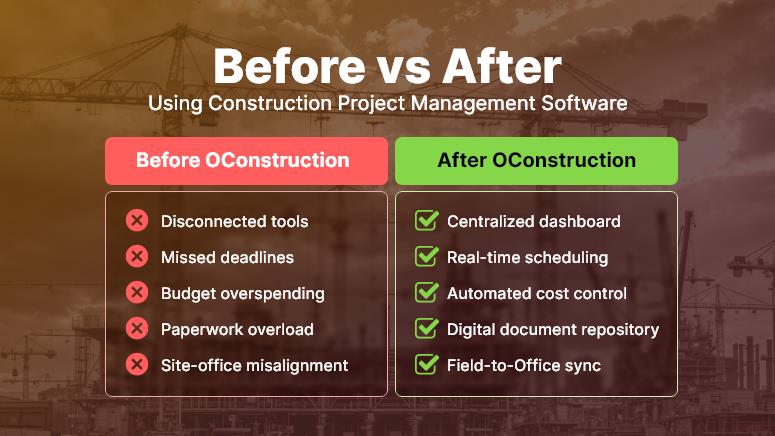
Before vs After Using Construction Project Management Software

Sign #1: You’re Constantly Behind Schedule

Why construction scheduling tools are non-negotiable

If deadlines feel more like flexible suggestions than fixed targets, it’s a red flag. Construction delays not only damage your client relationships — they also eat into profits, extend crew hours, and jeopardize future bids.

With construction scheduling software, you can:

  • Visualize project timelines using Gantt charts and task boards, helping you spot task dependencies and scheduling conflicts in real time.
  • Assign clear responsibilities with deadlines, supported by automated alerts so your team always knows what’s due and when.
  • Identify bottlenecks early and reallocate crews or resources to high-priority tasks before delays snowball.

A tool like OConstruction shifts your workflow from reactive fire-fighting to proactive project control—keeping builds on time and stress levels low.

Sign #2: Your Field and Office Teams Are Always Out of Sync
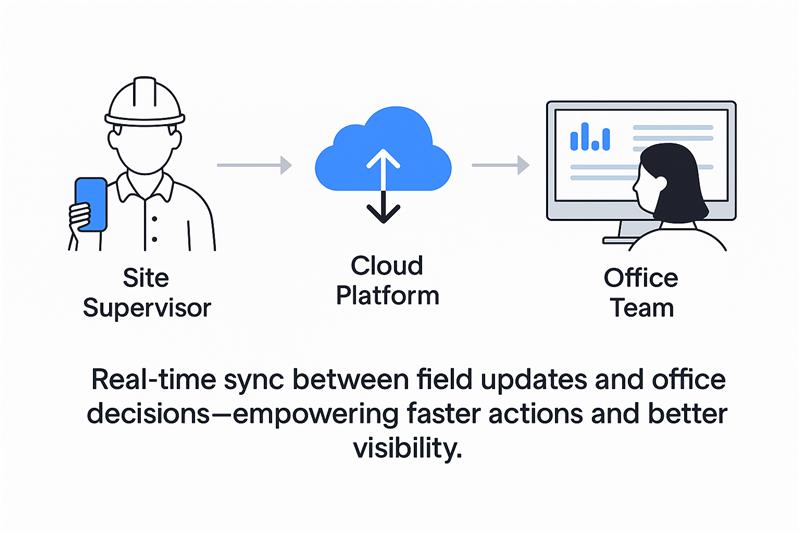
Your Field and Office Teams Are Always Out of Sync

Why site management software improves communication

Site supervisors often rely on delayed emails or phone calls for updates, while head office waits for manual reports from the field. This disconnect leads to miscommunication, duplication of work, and costly rework.

Using site management software like OConstruction, you can:

  • Bridge the gap between the field and the office with real-time updates accessible from mobile and desktop.
  • Share annotated site photos, blueprints, and task notes, ensuring everyone has the latest information.
  • Use mobile checklists and real-time approvals, so site managers can log progress instantly, not days later.

When both your field crew and office team are aligned, project momentum builds naturally — and client satisfaction soars.

Sign #3: You Can’t Track Where the Budget Is Going

Why construction cost tracking software is a must

It’s common for managers to lose visibility into where money is spent — especially when juggling multiple sites, teams, and vendors. If your answer to “What’s the burn rate?” is vague, it’s time to upgrade.

With smart construction cost management tools, you can:

  • Track materials, labor hours, and equipment used across projects in a centralized platform.
  • Compare estimates to actuals to spot budget deviations quickly and prevent cost overruns.
  • Generate instant financial reports to keep clients and stakeholders in the loop.

OConstruction’s budgeting tools deliver real-time insights so you can take control of costs before they spiral.

Sign #4: You’re Drowning in Paperwork and Losing Documents

Why document management matters in construction software

Permits, contracts, change orders, site plans — these are the lifeblood of any build. But storing them across local drives, inboxes, and printed folders is a recipe for disaster.

With an integrated document management system like OConstruction, you can:

  • Digitally store and tag project documents so they’re easy to find, search, and share.
  • Set permission-based access, ensuring the right teams see the right files — no more email attachments or USB drives.
  • Track version history and approvals to prevent confusion over outdated plans or unauthorized changes.

Modern document control software isn’t a have—it’s essential for audit trails, collaboration, and avoiding costly mistakes.

Sign #5: You’re Wasting Time on Repetitive Tasks

Why automation in construction software saves your sanity

Construction teams often lose hours each week chasing updates, sending reminders, or recreating project templates. It’s time-consuming and drains valuable energy from critical site work.

With construction project management software like OConstruction, you can:

  • Automate recurring tasks, reminders, and alerts, keeping workflows moving without constant oversight.
  • Leverage pre-built templates for daily reports, safety inspections, and task lists, speeding up planning and execution.
  • Design workflows that trigger the next step as soon as the current one is completed, so your project never stalls.

By automating the busy work, your crew gets more time to focus on quality, safety, and delivery — the things that move your business forward.

Conclusion: Don’t Just Build — Build Smarter

If even one of these signs feels familiar, your construction operations are likely being held back by outdated tools and fragmented systems. From missed deadlines to unclear budgets and unorganized files, the cost of inaction is high.

With construction project management software like construction, you can:

  • Improve team coordination across job sites and offices
  • Gain real-time visibility into schedules, costs, and workloads
  • Ensure all documents and tasks are tracked and accessible
  • Deliver projects on time and budget

Whether you’re managing a residential project, commercial development, or industrial site, switching to the right construction software puts you in control.

Key Takeaways

  • Project delays, team silos, and cost uncertainty are clear signs you need construction software.
  • Tools like OConstruction offer powerful capabilities in scheduling, site collaboration, document management, and budget control.
  • Embracing digital tools helps small and mid-sized construction companies scale efficiently and stay competitive.

FAQs

Q1. What is construction project management software?
It’s a digital platform that helps construction teams manage scheduling, budgets, documents, communication, and compliance in one place.

Q2. How do I know if my business really needs it?
If you face frequent delays, miscommunication, budget overruns, or missing documents, it’s a strong sign you’ve outgrown spreadsheets and need a dedicated solution.

Q3. Is construction project management software only for large companies?
No. In fact, small and mid-sized businesses benefit the most since they need efficient processes to scale without adding more overhead.

Q4. Can OConstruction help my field and office teams work together?
Yes. OConstruction bridges the gap with mobile updates, real-time dashboards, annotated photos, and shared checklists. Everyone stays aligned, no matter where they are.

Q5. How does construction software save time and money?
By automating repetitive tasks, providing budget alerts, and streamlining communication, companies typically save 5–10% of project costs and reduce admin work by 30–40%.
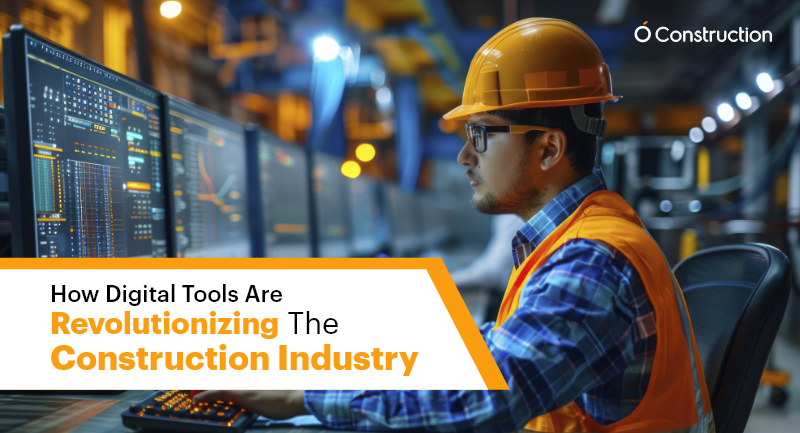
How Digital Tools Are Revolutionizing the Construction Industry

The Construction Site is Going Digital with Construction Project Management Software

Construction has always been a hands-on industry, steel, concrete, boots on the ground. But in today’s fast-paced, tech-first world, construction is going digital faster than ever before.

According to a McKinsey report, companies that digitize their construction processes can increase productivity by up to 15% and reduce costs by as much as 6%.

So what’s driving this digital shift? It’s simple: manual workflows, paper blueprints, and scattered communication just aren’t cutting it anymore, especially for small and mid-sized businesses trying to scale.

In this post, we’ll explore how digital tools — especially construction project management software like OConstruction are transforming the way modern construction teams work.

Whether you’re managing tasks, budgets, timelines, or teams, construction project management software offers a smarter, more reliable way to build.

From real-time collaboration to budget tracking and safety compliance, you’ll walk away with insights and action steps to modernize your operations.

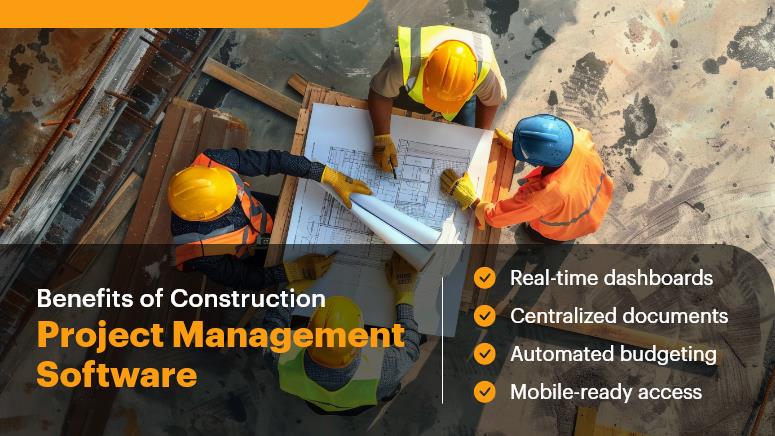
Benefits of Construction Project Management Software

Why Construction Project Management Software Matters for Construction Businesses

For decades, the construction industry lagged in tech adoption. But now, client expectations are changing, projects are more complex, and margins are tighter than ever.

Here’s why digital transformation is no longer optional:

  • Time is money, and delays are expensive. When updates are stuck in email threads or on paper forms, response times slow, and errors multiply. Digital tools ensure faster decision-making with real-time updates.
  • Small mistakes create big costs. Manual budgeting, change orders, or schedule conflicts often result in thousands in overruns. Construction software reduces risks by keeping everything visible and trackable.
  • Remote work and hybrid teams are here to stay. Project managers, subcontractors, and clients all need to collaborate across locations. Cloud-based tools like OConstruction provide mobile-friendly access from anywhere.
  • Hiring and retention depend on modern tools. Top talent, especially younger workers, expect tech-forward job sites. Equipping your team with the right digital tools makes your business more attractive and efficient.

Common use cases across industries:

  • Real estate developers are juggling multiple residential projects.
  • Infrastructure firms manage public works contracts.
  • Commercial builders oversee subcontractors and material flow.

Bottom line: Digital transformation isn’t just a tech upgrade; it’s a competitive advantage.

Best Practices for Using Construction Project Management Software

1. Centralize Communication Across Teams

  • Ditch the fragmented tools. When your crew is on WhatsApp, your PM is using Excel, and your engineer is emailing blueprints, chaos is guaranteed. Centralize everything on one platform like OConstruction for streamlined, transparent communication.
  • Set clear project roles and access permissions. Ensure that everyone from field workers to finance leads sees exactly what they need, when they need it, without clutter or confusion.

2. Use Real-Time Project Dashboards in Your Construction Project Management Software

  • Dashboards offer instant clarity on project status. From work completion to site issues and task deadlines, a real-time overview keeps decision-makers informed at every stage.
  • Eliminate the guessing game. Know exactly what’s been done, what’s overdue, and what’s ahead — so you can act quickly and avoid bottlenecks.

3. Automate Budget Tracking & Cost Control

  • Track expenses, invoices, and material usage in real-time. No more waiting until month-end to understand your project’s financial health.
  • Set up budget alerts and cost variance triggers. With OConstruction, you can get notified when expenses deviate from your estimates, helping you correct the course before it’s too late.

4. Simplify Document Management with Construction Project Management Software

  • Store blueprints, permits, contracts, and inspection logs in one digital hub. Say goodbye to lost paperwork and duplicated files.
  • Use version control to avoid costly errors. Everyone works from the same, most up-to-date documents — no confusion, no rework.

5. Enhance Site Safety & Compliance Tracking

  • Digitize safety checklists, audits, and training logs. Ensure that compliance documentation is completed and stored, not buried in binders.
  • Log incidents in real-time and assign corrective actions. Proactive tracking helps reduce risks and improve workplace safety.

6. Invest in Mobile-Ready Construction Project Management Software

  • Ensure your tools work seamlessly on phones and tablets. Field teams need fast access to plans, updates, and messaging without being tied to a desktop.
  • Enable photo uploads, GPS tagging, and voice-to-text notes. These features make it easier for on-site teams to stay engaged and productive.

7. Prioritize Ease of Use in Construction Project Management Software

  • Choose intuitive software that your team can adopt quickly. A tool is only useful if your people use it. OConstruction is designed with simplicity and speed in mind.
  • Offer onboarding and in-app support. Train your team well, and they’ll become champions of the platform.

Customer Success Snapshot: A Case in Point

“Titan Build Co., a mid-sized commercial construction company, used OConstruction to cut project delays by 40% and reduce admin workload by 60%.”

Before adopting OConstruction, Titan managed its operations through spreadsheets, emails, and disconnected mobile apps. Communication gaps and delayed updates were causing cost overruns and client frustration.

With OConstruction, Titan:

  • Centralized all documents, project updates, and team messaging in one place.
  • Enabled field teams to report progress and flag issues instantly via mobile.
  • Tracked budgets in real time, catching cost deviations before they escalated.

The result? More on-time deliveries, happier clients, and a more productive team.

Why Now Is the Time to Embrace Construction Project Management Software

  • Construction is evolving, and digital tools are at the heart of the transformation.
  • Small and mid-sized businesses benefit the most from streamlined, automated workflows.
  • OConstruction gives you everything you need to manage projects, budgets, teams, and documents in one user-friendly platform.

Construction project management software is no longer a nice-to-have — it’s a must for businesses that want to thrive in a fast-changing environment.

Whether you’re looking to save time, cut costs, or improve project visibility, the right software can make all the difference.

As the industry continues to evolve, investing in digital transformation today will pay off tomorrow in efficiency, growth, and client satisfaction.

Ready to see how OConstruction can help you streamline operations, cut delays, and boost team productivity? Book a free demo today!

FAQs

Q1. What is construction project management software?
It’s a digital tool that helps construction companies manage projects, budgets, teams, timelines, and compliance in one centralized system.

Q2. Why should small and mid-sized construction businesses use it?
Because it reduces errors, improves communication, prevents costly overruns, and allows teams to collaborate in real time—even remotely.

Q3. How does construction software save money?
By cutting delays, preventing budget overruns, eliminating duplicate work, and streamlining documentation, companies save 5–10% of project costs on average.

Q4. Is OConstruction mobile-friendly?
Yes. OConstruction is built for field teams with mobile access, photo uploads, GPS tagging, and voice-to-text notes.

Q5. How long does it take to see results?
Most companies start seeing efficiency improvements within the first 30–60 days of adopting construction project management software.

Q6. Does it require technical expertise to use?
No. OConstruction is designed to be intuitive, with onboarding support and in-app guidance for easy adoption.

Top 15 Construction Project Management Software

In 2025, the demand for advanced construction project management software is higher than ever. With tighter deadlines, budget pressures, and increased stakeholder expectations, contractors can no longer rely solely on spreadsheets and disconnected tools.

Before diving into the top 15, let’s explore one platform leading this shift: OConstruction.

What Is OConstruction?

OConstruction is a modern, cloud-based construction project management platform built specifically for contractors, project managers, and field teams. It centralizes core functions like scheduling, budgeting, team collaboration, safety tracking, and document control into a single dashboard—accessible anytime, anywhere.

Key Features:

  • Real-time project updates and Gantt chart scheduling
  • RFIs, submittals, and drawing version control
  • Mobile app for on-site reporting and progress tracking
  • Seamless vendor and team collaboration
  • Automated report generation and deadline notifications

Whether you’re managing commercial high-rises or residential remodels, OConstruction ensures transparency, control, and efficiency across all phases of the project.

Why Use OConstruction?

Growing construction businesses seeking a scalable, all-in-one solution

Key Features:

  • Centralized dashboard for project planning, team coordination, and progress tracking
  • Integrated budgeting, task management, and document sharing
  • Real-time communication tools for on-site and office teams
  • User-friendly interface with mobile accessibility

Top 15 Construction Project Management Software in 2025

Below is a curated list of 15 high-impact tools that were selected based on industry relevance, features, user feedback, and market adaptability.

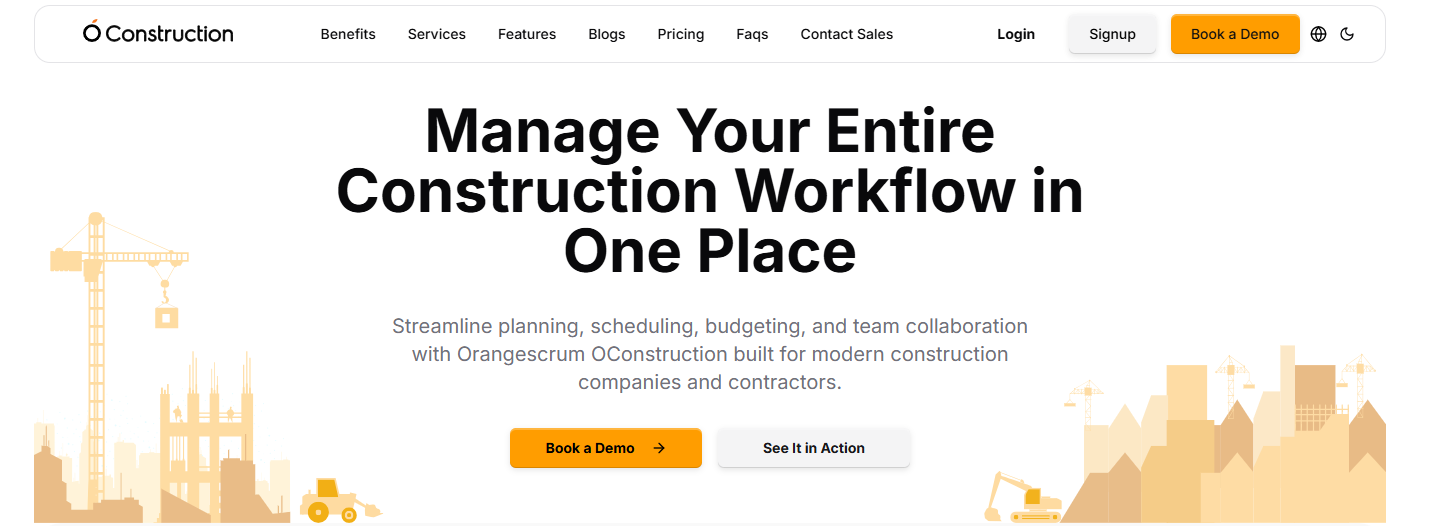
1. OConstruction

OConstruction

(Source: oconstruction.io)

OConstruction is a modern, cloud-based construction management solution developed to simplify the daily work of contractors, site engineers, and construction project managers. Designed with industry complexities in mind, it helps teams manage contracts, vendors, safety protocols, and deadlines from a unified dashboard.

Key Features of OConstruction

  • Vendor and Subcontractor Management: Enables seamless contract tracking, performance evaluation, and deadline management. Real-time data ensures vendors stay aligned and compliant.
  • Site Inspections and Safety Audits: Mobile checklists and photo uploads streamline safety checks, while the system alerts teams of any non-compliance or inspection issues.
  • Contract Lifecycle Management: Centralizes contract terms, due dates, and change orders to prevent scope creep or delays
  • Real-time Reporting and Dashboards: Offers clear, up-to-date visualizations of project status, costs, and team progress.

Pros of OConstruction

  • Intuitive UI for both field and office teams
  • Comprehensive tracking for cost, safety, and vendors
  • Cloud-based accessibility across job sites
  • Excellent customer support and documentation
  • Flexible pricing for SMBs and enterprises

Cons:

  • Limited third-party integration ecosystem
  • Requires onboarding time for full feature adoption

Pricing:

Available in scalable tiers; includes a free trial. View pricing

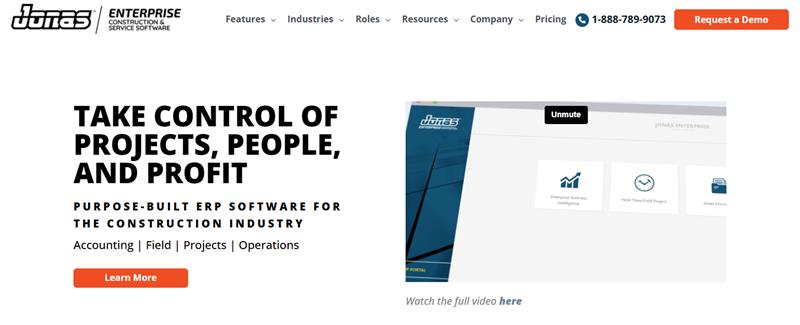
2. Jonas Construction Software

Jonas Construction Software

( Source: jonasconstruction.com)

Jonas Construction is a comprehensive ERP for construction professionals that combines project management, accounting, and service management into one platform.

Key Features:

  • Advanced job costing and GL accounting
  • Work order and subcontractor tracking
  • Document management

Pros:

  • Designed for mechanical and service contractors
  • High-end financial integrations

Cons:

  • Dated user interface
  • Learning curve for new users

Pricing: Visit their pricing page to get a custom quote.

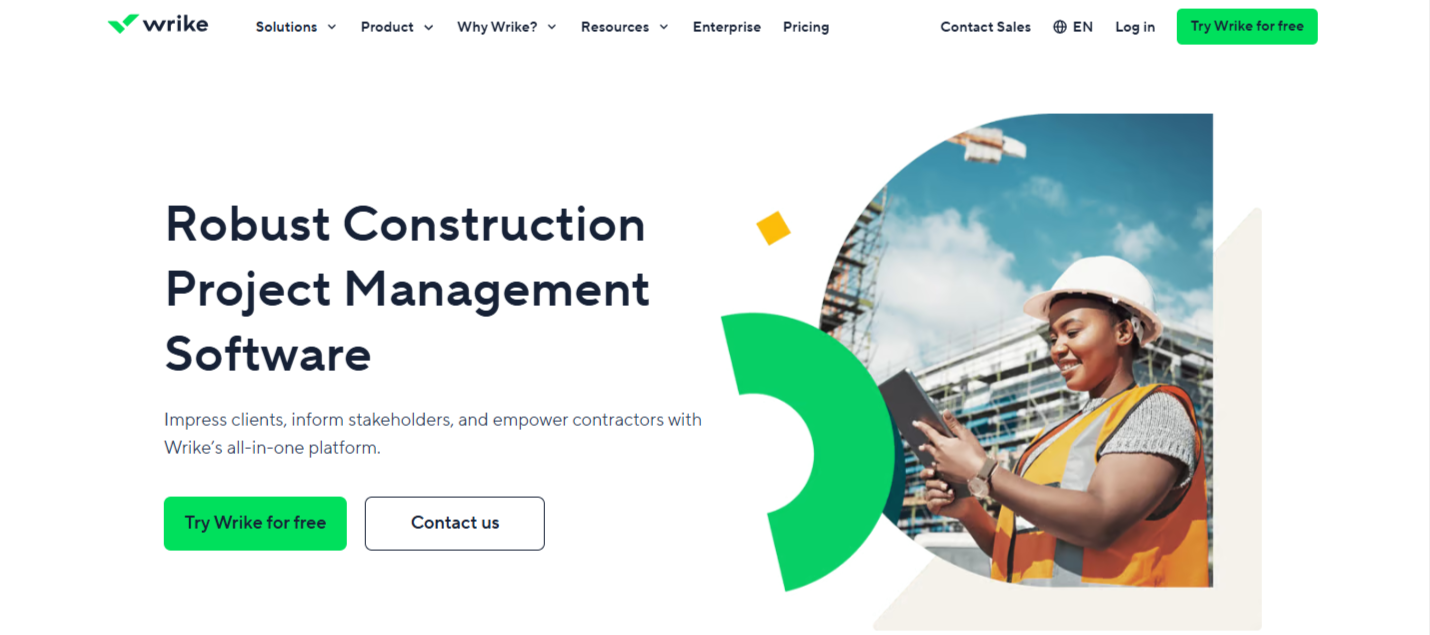
3. Wrike

Wrike

(Source: wrike.com)

A versatile work management platform is increasingly used in construction for resource planning and project coordination.

Key Features:

  • Custom workflows and forms
  • Gantt and Kanban views
  • Budget forecasting and analytics

Pros:

  • Highly customizable
  • Great for cross-functional teams

Cons:

  • Requires manual construction setup
  • It can be overwhelming for first-time users

Pricing: Starts at $9.80/user/month

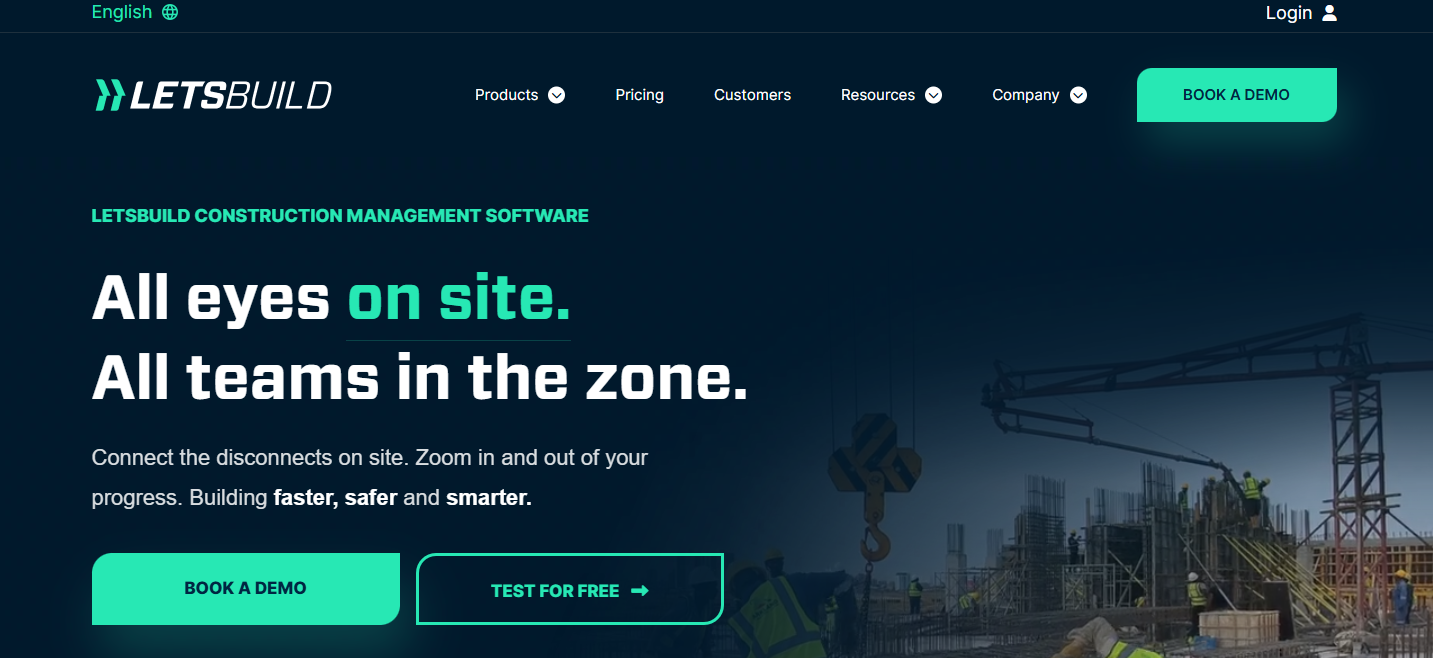
4. LetsBuild

LetsBuild

(Source: letsbuild.com)

Focused on execution phase management, LetsBuild improves site visibility and real-time communication.

Key Features:

  • Progress tracking and daily logs
  • Health and safety workflows
  • Checklists and quality control

Pros:

  • Great for on-site transparency
  • Simplifies compliance tracking

Cons:

  • Limited financial tools
  • Not ideal for the planning phase

Pricing: Visit their pricing page to get a custom quote.

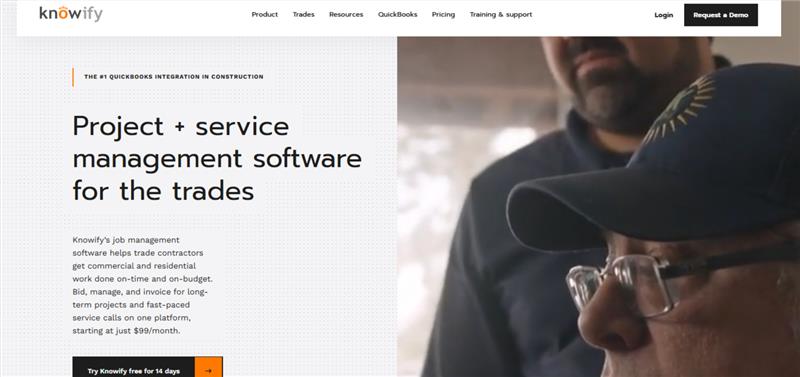
5. Knowify

Knowify

( Source: knowify.com )

Knowify is a lightweight yet powerful tool for managing estimates, bids, time tracking, and invoicing. Perfect for small to mid-sized contractors.

Key Features:

  • Integrated with QuickBooks
  • Contract, invoice, and payment tracking
  • Job costing and project timelines

Pros:

  • Budget-friendly
  • Easy to implement for small teams

Cons:

  • Limited scalability for large firms
  • Basic reporting features

Pricing: Starts at $99/month

6. RedTeam

RedTeam

( Source: redteam.com)

RedTeam supports full project lifecycle management, including preconstruction, budgeting, scheduling, and document control.

Key Features:

  • Daily logs and job site photos
  • Digital contracts and RFIs
  • Budget dashboards

Pros:

  • Enterprise features at a mid-market price
  • Excellent field-to-office collaboration tools

Cons:

  • Lacks flexibility in user customization
  • Limited mobile offline functionality

Pricing: Visit their pricing page to get a custom quote.

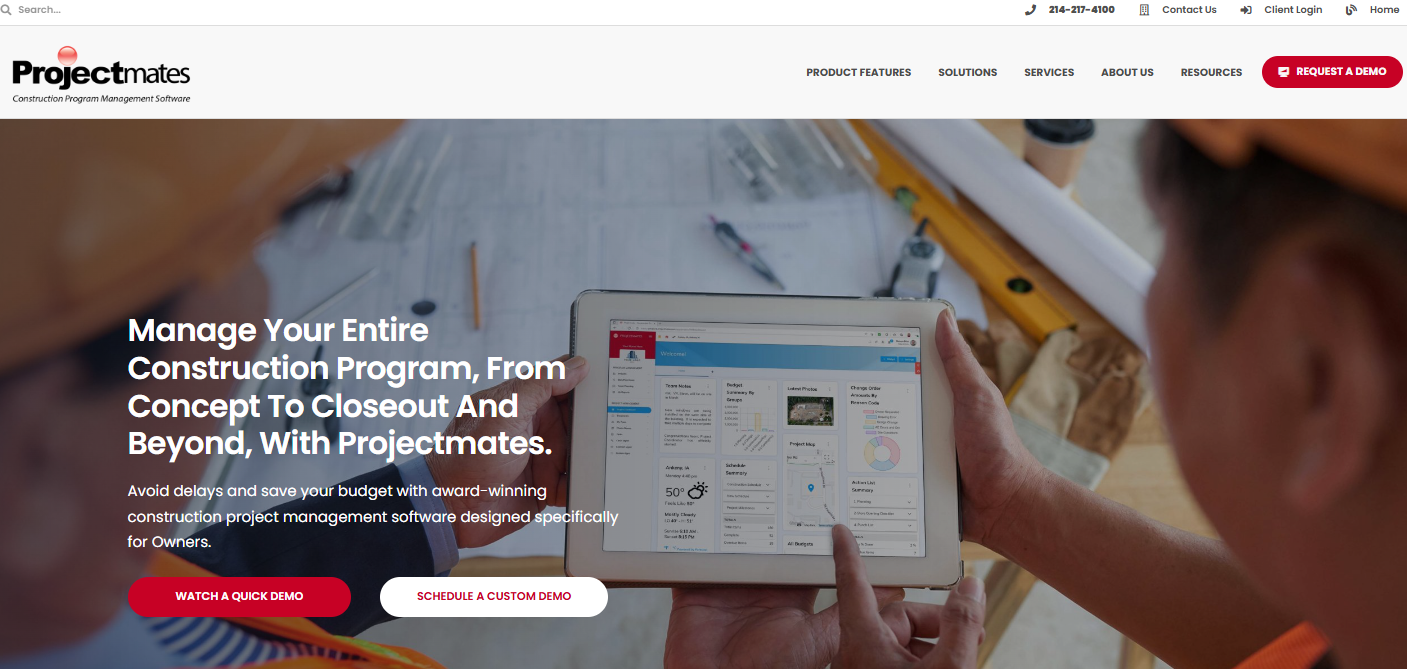
7. Projectmates

Projectmates

 (Source: projectmates.com)

A secure, owner-focused project management software used by capital program managers, educational institutions, and public works departments.

Key Features:

  • Capital planning and facility management
  • Procurement and bid tracking
  • Mobile field updates

Pros:

  • Scalable for multi-project environments
  • Government-grade security

Cons:

  • More suited for owners, not contractors
  • Pricing based on project size

Pricing: Based on project scale

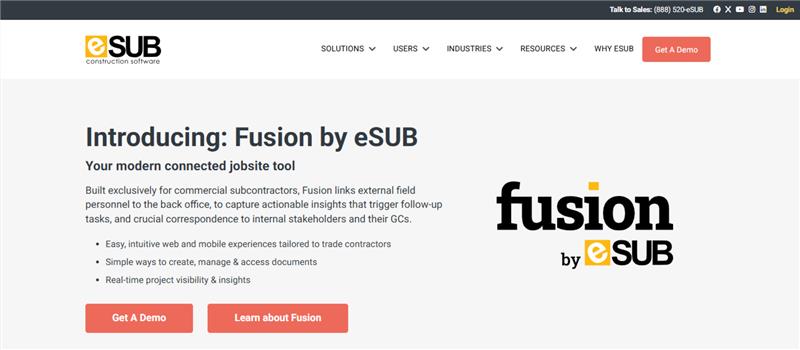
8. eSUB

eSUB

( Source: esub.com)

eSUB was built specifically for subcontractors, focusing on labor tracking, project logs, and daily documentation.

Key Features:

  • RFI, submittal, and daily report management
  • Timecards and issue logs
  • Photo and document storage

Pros:

  • Built for field users
  • Improves job documentation accuracy

Cons:

  • Not optimized for general contractors
  • Limited integrations

Pricing: Starts at $49/user/month

9. BuildTools

BuildTools

( Source: buildtools.com)


BuildTools streamlines residential construction workflows, allowing contractors to communicate with clients and subs, manage budgets, and track progress.

Key Features:

  • Selection schedules
  • Budget change tracking
  • Messaging tools for client updates

Pros:

  • Designed for high-end custom builds
  • Reduces communication gaps with homeowners

Cons:

  • Not ideal for commercial projects
  • Custom pricing can be opaque

Pricing: Visit their pricing page to get a custom quote.

10. Buildxact

Buildxact

( Source: buildxact.com)

Buildxact is an estimating and project management tool for builders and remodelers. Its strength lies in fast quoting and cost control.

Key Features:

  • Quote generator
  • Job costing
  • Client portal

Pros:

  • Simple for new users
  • Includes CRM and communication tool

Cons:

  • Limited multi-user permissions
  • Higher base price for small businesses

Pricing: Starts at $199/month

11. Archdesk

Archdesk

( Source: archdesk.com)

An ERP-style solution for larger contractors and manufacturers, Archdesk offers configurable workflows and strong back-office integration.

Key Features:

  • Finance and procurement management
  • Scheduling and timesheets
  • Document approvals

Pros:

  • Modular setup based on company needs
  • Ideal for fit-out and industrial use cases

Cons:

  • Setup can be complex
  • Longer implementation time

Pricing: Visit their pricing page to get a custom quote.

12. Contractor Foreman

Contractor Foreman


( Source: contractorforeman.com)

Contractor Foreman is one of the most affordable all-in-one solutions, offering 35+ modules for project management and safety.

Key Features:

  • Safety audits and forms
  • Job costing and budget controls
  • Gantt chart scheduling

Pros:

  • Excellent mobile support
  • Works well for small and mid-sized contractors

Cons:

  • UI can feel cluttered
  • Limited advanced customization

Pricing: Starts at $49/month

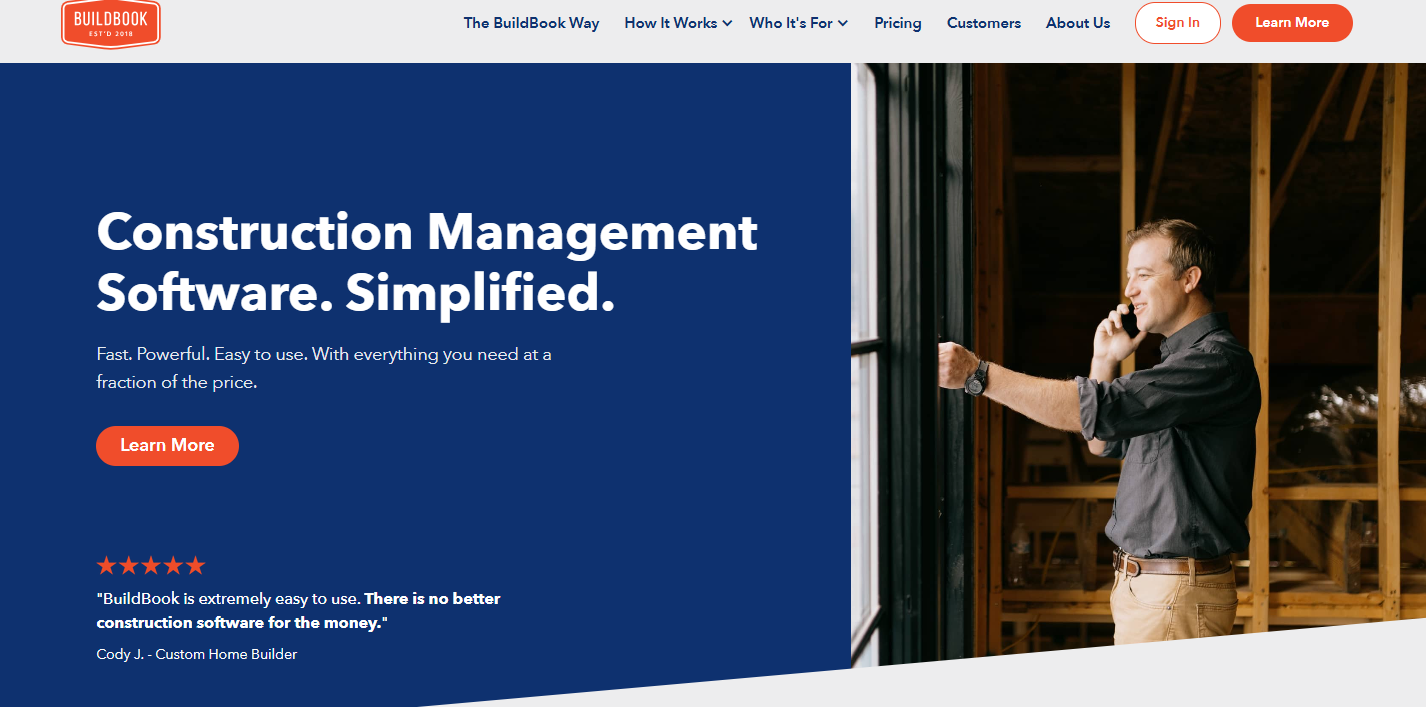
13. BuildBook

BuildBook

( Source: buildbook.co)

BuildBook focuses on improving communication between contractors and clients during custom home builds.

Key Features:

  • Timeline and task tracking
  • Selections and budgeting
  • Messaging interface

Pros:

  • Great for boutique builders
  • Beautiful client-facing interface

Cons:

  • Limited integrations
  • Basic scheduling tools

Pricing: Starts at $79/month

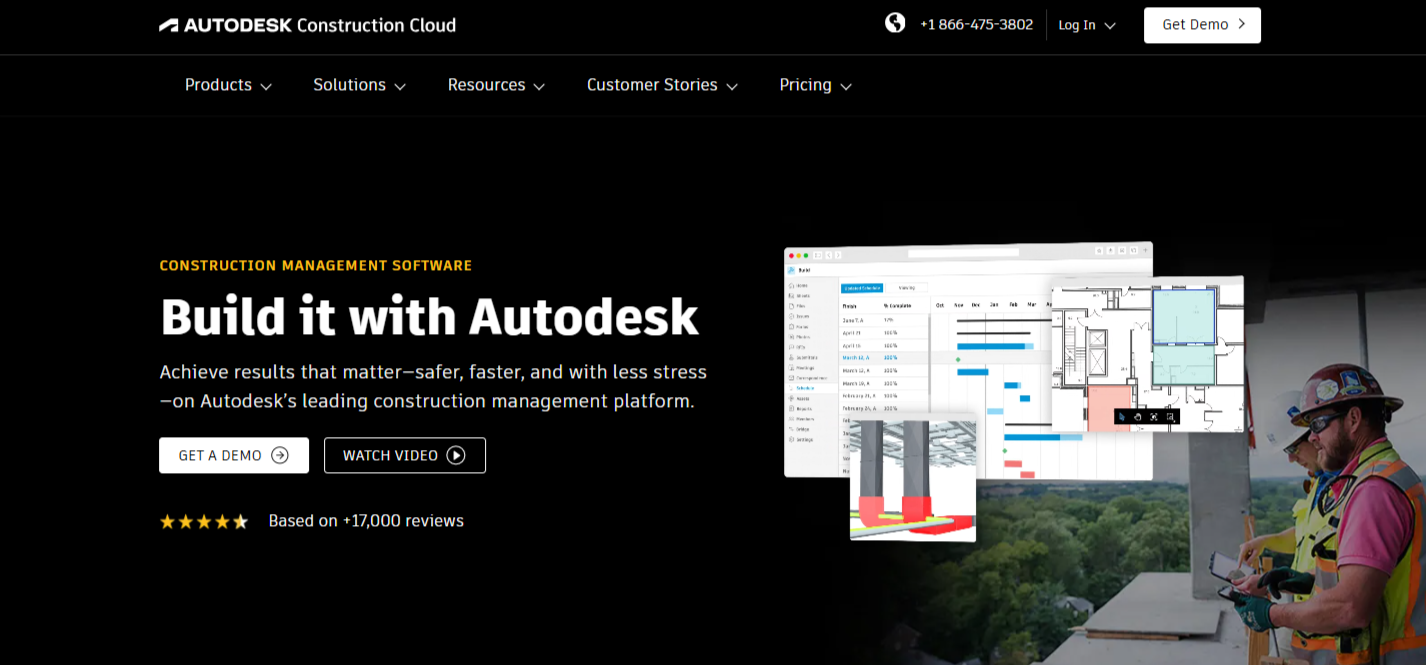
14. Autodesk Construction Cloud

Autodesk Construction Cloud

(Source: construction.autodesk.com)

An integrated suite of tools (including BIM 360 and Build) for end-to-end construction lifecycle management.

Key Features:

  • Document and design management
  • Field execution tools
  • Analytics and cost controls

Pros:

  • Deep feature set and BIM integration
  • Trusted by large firms

Cons:

  • Complex system
  • Higher pricing tier

Pricing: Visit their pricing page to get a custom quote.

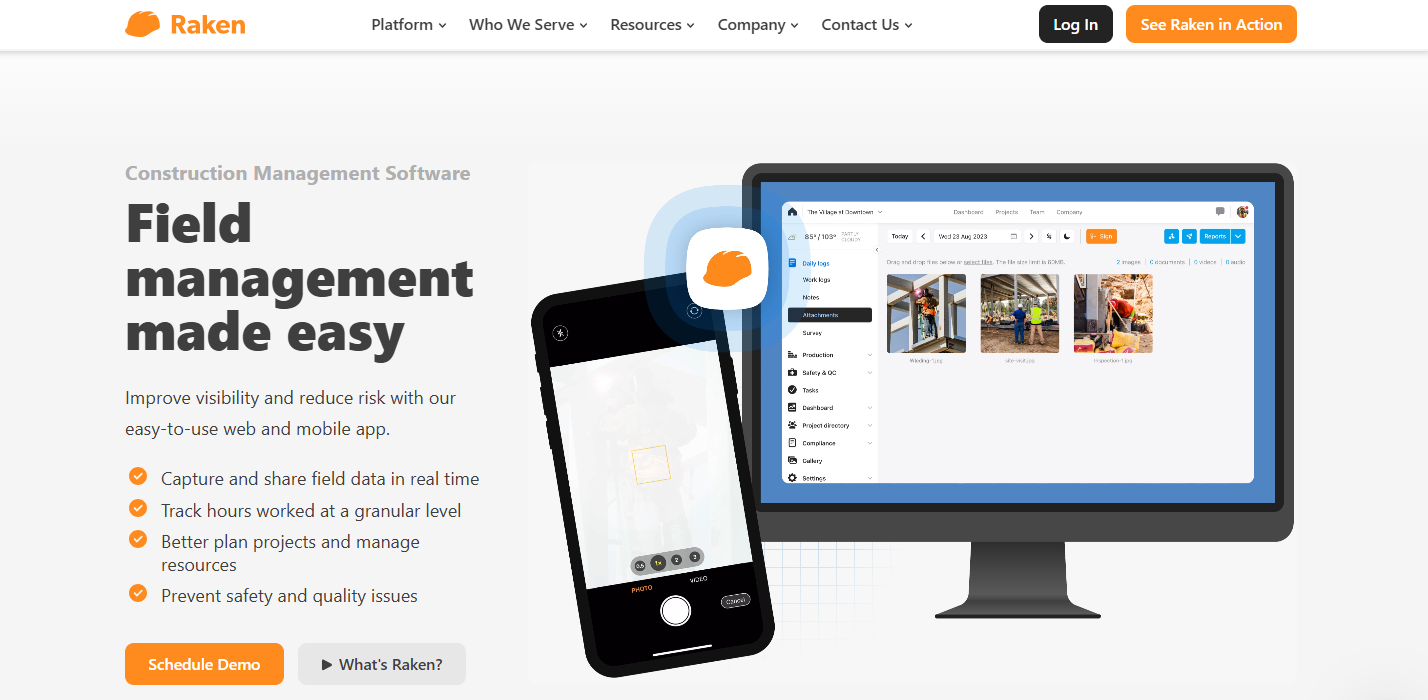
15. Raken

Raken

(Source: rakenapp.com)

Raken is a mobile-first construction reporting app that simplifies daily logs, time tracking, and safety documentation—ideal for field teams needing fast, on-the-go reporting.

Key Features:

  • Daily reports and time tracking
  • Safety management tools
  • Photo and file documentation

Pros:

  • Built for field reporting
  • Very user-friendly mobile app

Cons:

  • Not a full project management suite
  • Limited customization

Pricing: Starts at $18/user/month

Conclusion

Whether you’re looking for high-end ERP systems, subcontractor-focused platforms, or tools built for small remodelers, this list highlights some of the most practical and powerful alternatives to the more commonly known solutions.

Each of these platforms offers unique features and strengths. The key is to choose a tool that aligns with your team’s size, project complexity, and budget.

Interested in an all-in-one, field-ready platform?

Schedule a demo with OConstruction and experience how modern construction management should work—intuitive, secure, and built for real-world results.

Top Construction Project Management Tools Every Contractor Should Know

In today’s fast-paced construction industry, inefficiencies can be costly. From missed deadlines to budget overruns, contractors constantly face challenges that can derail even the most meticulously planned projects. The complexity of modern construction demands more than traditional project tracking methods like spreadsheets and manual communication. This is where construction project management software becomes a game-changer.

In today’s fast-paced construction industry, inefficiencies can be costly. From missed deadlines to budget overruns, contractors constantly face challenges that can derail even the most meticulously planned projects. The complexity of modern construction demands more than traditional project tracking methods like spreadsheets and manual communication. This is where construction project management software becomes a game-changer.

By integrating digital tools tailored to the specific needs of the construction sector, professionals can streamline operations, improve collaboration, and gain real-time visibility into every stage of a construction project. Whether you’re managing residential builds, commercial developments, or large-scale infrastructure, having the right software tools at your disposal can be the difference between project success and failure.

In this blog, we explore the top construction project management tools every contractor should consider and how platforms like OConstruction are shaping the future of efficient project delivery.

Why Construction Project Management Tools Are Crucial

The construction industry is inherently multifaceted. It involves multiple stakeholders, tight schedules, shifting priorities, and extensive documentation. Without a centralized platform to manage all aspects—from planning and scheduling to budgeting and collaboration—contractors often struggle to maintain consistency and control.

Why Construction Project Management Tools Are Crucial

The right construction project management software offers a unified platform that:

  • Simplifies task delegation and tracking
  • Enables real-time collaboration among teams and subcontractors
  • Automates time tracking and reporting
  • Offers visibility into resource allocation and usage
  • Helps identify risks before they escalate

In essence, these tools empower contractors to make data-driven decisions and deliver quality results on time and within budget.

Must-Have Construction Project Management Tools for Contractors

Let’s explore the essential tools that form the backbone of efficient construction project management.

1. Scheduling and Planning Tools

Effective planning is the cornerstone of every successful construction project. Tools like Microsoft Project and Primavera P6 are widely used for detailed scheduling. They allow you to define milestones, allocate resources, and track progress over time.

However, platforms like OConstruction provide a more construction-specific scheduling experience by allowing project managers to link tasks with dependencies, track delays, and dynamically adjust timelines based on field updates. This real-time flexibility is essential in today’s unpredictable construction environment.

2. Document Management Systems

Construction sites generate a large volume of paperwork, from blueprints and permits to contracts and invoices. Tools like Procore and PlanGrid enable centralized document storage, version control, and easy access across teams.

OConstruction also incorporates robust document management features that allow contractors to upload, annotate, and share files directly within the platform. Having critical documents readily available on-site or in the office ensures that everyone is working with the latest information.

3. Time Tracking and Labor Management

Labor productivity is a major determinant of project success. Tools like ClockShark and TSheets (QuickBooks Time) are useful for tracking employee hours and managing timesheets.

OConstruction goes a step further by integrating time tracking with project timelines, enabling contractors to monitor how labor resources align with project milestones. This integration helps identify inefficiencies early and optimize workforce allocation accordingly.

4. Budgeting and Cost Control

Financial oversight is essential in any construction project. Software like Buildertrend and CoConstruct offers features for estimating, invoicing, and budget tracking.

In comparison, OConstruction brings a simplified yet powerful budgeting toolset that tracks expenses in real time, compares actual vs. projected costs, and helps contractors stay within financial constraints. Integration with accounting software ensures seamless financial reporting and audit readiness.

5. Collaboration and Communication Tools

Construction teams are often dispersed across multiple sites, making communication a critical challenge. Tools like Slack or Microsoft Teams are general-purpose, but construction-specific platforms like OConstruction offer built-in messaging, task commenting, and notification features tailored to the unique needs of contractors.

This centralized communication hub reduces miscommunication, speeds up approvals, and fosters better teamwork, ultimately reducing project delays and rework.

How OConstruction Stands Out

Many generic tools serve a single purpose, but OConstruction is designed as an all-in-one construction project management software tailored specifically for the construction industry. Here’s what makes it stand out:

  • Intuitive User Interface: Minimal learning curve with industry-specific templates and workflows
  • Integrated Modules: Task management, time tracking, budgeting, and file sharing all in one place
  • Mobile Accessibility: Designed for use on construction sites via smartphones and tablets
  • Scalability: Suitable for small teams and large contractors alike
  • Customization: Flexible workflows that can be adapted to different project types and business models

With OConstruction, contractors don’t need to juggle multiple tools. Everything is available under one roof, ensuring greater efficiency and transparency from project start to finish.

Conclusion

In an industry where margins are tight and deadlines are critical, having the right construction project management software is no longer optional—it’s essential. From planning and scheduling to budgeting and collaboration, digital tools have revolutionized how modern contractors operate.

By adopting robust solutions like OConstruction, construction businesses can eliminate inefficiencies, improve productivity, and ensure successful project delivery. Whether you’re building homes, offices, or infrastructure, managing a construction project becomes significantly easier with the right tools in place.

If you’re ready to transform your construction operations and gain a competitive edge, consider making OConstruction your partner in project success.

Want to see how OConstruction can streamline your next project? Book a demo today and experience the future of construction project management firsthand.

Top Construction Project Challenges and How to Overcome Them

In the world of construction, every project presents a unique blend of complexity, timelines, stakeholder expectations, and budget constraints. Despite advancements in tools and technology, construction professionals still face persistent challenges that can derail timelines, inflate budgets, and compromise quality. From poor communication to labor shortages and evolving regulations, navigating these issues demands strategic foresight and effective management.

At OConstruction, we understand the pulse of the construction industry. With hands-on experience in managing real-time field operations and digital project workflows, we are uniquely positioned to address these pain points. 

This blog explores the most common construction project challenges and offers actionable strategies to overcome them using both technology and industry best practices.

Key Challenges in Construction Projects and How to Overcome Them

Key Challenges in Construction Projects and How to Overcome Them

1. Budget Management and Cost Overruns

The Challenge:

One of the most critical aspects of project management for construction is ensuring that the construction budget is well-planned and monitored. However, rising material costs, labor shortages, and scope changes often lead to budget overruns.

Solution:

  • Use construction project management software that includes integrated budget management modules.
  • Track expenses in real time to compare actual costs against the original budget for the construction project.
  • Automate reporting to identify financial leaks early and make adjustments promptly.

2. Ineffective Project Scheduling

The Challenge:

Delays in the construction project timeline can disrupt all stakeholders and inflate costs. Whether it’s due to poor resource allocation or unforeseen site issues, scheduling inefficiencies are a top challenge.

Solution:

  • Implement a planner for construction to create detailed Gantt charts and set task dependencies.
  • Use project time management software to assign responsibilities, monitor progress, and receive real-time updates.
  • Leverage forecasting tools within the best construction project management software to anticipate risks and mitigate delays.

3. Poor Communication Among Teams

The Challenge:

Miscommunication between contractors, architects, suppliers, and clients can lead to confusion, rework, and dissatisfaction.

Solution:

  • Adopt a centralized construction management application that allows real-time collaboration and file sharing.
  • Standardize communication workflows using templates and approval chains within your construction project management app.
  • Schedule regular virtual and in-person meetings to ensure alignment across teams.

4. Document Management Chaos

The Challenge:

Construction projects generate a large volume of documents, from blueprints to contracts. Misplaced or outdated documents can slow down decision-making and lead to costly errors.

Solution:

  • Use construction project management applications that support digital document storage, version control, and secure access.
  • Implement a permissions system to ensure that the right individuals can access relevant documents when needed.

5. Inadequate Resource Allocation

The Challenge:

Allocating the right labor, materials, and equipment at the right time is vital. Poor resource planning often results in idle time or bottlenecks.

Solution:

  • Leverage construction and planning tools to optimize scheduling and reduce idle resources.
  • Choose a construction management app with built-in analytics for manpower forecasting and equipment usage.
  • Keep a buffer for high-demand resources during peak project periods.

6. Risk and Compliance Issues

The Challenge:

Construction projects are subject to various risks such as safety violations, environmental factors, and regulatory compliance failures.

Solution:

  • Develop a detailed construction management plan with a strong focus on risk mitigation.
  • Use the best construction management software to automate safety audits, inspection checklists, and compliance tracking.
  • Train staff regularly on regulatory standards and provide access to guidelines via mobile construction management applications.

7. Change Orders and Scope Creep

The Challenge:

Frequent changes to the project scope can strain the team, inflate the construction budget, and delay delivery.

Solution:

  • Define scope and expectations clearly at the start and document them using your construction project management schedule.
  • Use change management features in your construction project management app to assess the impact before approval.
  • Maintain a buffer in your budget for the construction project to handle minor approved changes without disrupting the overall plan.

8. Difficulty in Performance Tracking

The Challenge:

Monitoring KPIs across project milestones is essential for continuous improvement. However, many teams still rely on manual tracking.

Solution:

  • Opt for the best construction project management software that includes customizable dashboards and real-time analytics.
  • Measure performance against key metrics such as cost variance, schedule adherence, and safety records.
  • Align your team with goals defined in the construction management plan and review them regularly.

9. Integration Challenges with Existing Systems

The Challenge:

Many construction companies operate legacy systems that don’t integrate well with modern applications.

Solution:

  • Choose scalable and customizable construction project management software that supports API integration.
  • Gradually migrate legacy data to your new construction project management application to ensure smooth operations.
  • Work with a trusted PMC (Project Management Consultant) to implement integration plans without disrupting workflow.

Conclusion

Construction projects are inherently complex, but with the right strategies, teams can mitigate risks and drive consistent success. From enhancing communication and managing labor to staying on budget and integrating smart technologies, every challenge presents an opportunity for growth and efficiency.

By choosing an all-in-one construction management platform like OConstruction, project managers can bring clarity to chaos, streamline workflows, and deliver high-quality results on time and within budget. Proactive planning, the right tools, and a commitment to continuous improvement are key to thriving in today’s construction landscape.

Ready to overcome your biggest construction project challenges? 

Book a demo with OConstruction today and experience firsthand how our platform can revolutionize the way you build.

Why Construction Firms Need Project Software in 2025

The construction industry in 2025 is navigating a landscape marked by rapid technological advancements, heightened project complexities, and increasing demands for sustainability and efficiency. In this dynamic environment, traditional project management methods are proving inadequate. Embracing specialized project management software has become imperative for construction firms aiming to maintain competitiveness, ensure timely project delivery, and optimize resource utilization.

The Evolving Landscape of Construction in 2025

Several factors are reshaping the construction industry:

  • Technological Integration: The adoption of technologies such as Artificial Intelligence (AI), Building Information Modeling (BIM), and the Internet of Things (IoT) is revolutionizing project planning and execution.
  • Sustainability Goals: There is a growing emphasis on eco-friendly construction practices, necessitating tools to monitor and report on sustainability metrics.
  • Workforce Dynamics: Labor shortages and the need for specialized skills are prompting firms to seek solutions that enhance workforce productivity and collaboration.

Key Benefits of Construction Project Management Software

1. Enhanced Collaboration and Communication

Modern construction projects involve multiple stakeholders, including architects, engineers, contractors, and clients. Project management software facilitates real-time communication, ensuring that all parties are aligned and informed, thereby reducing misunderstandings and delays.

2. Improved Scheduling and Time Management

Advanced scheduling tools allow for the creation of detailed project timelines, resource allocation, and milestone tracking. This leads to more accurate forecasting and timely project completion.

3. Cost Control and Budget Management

Integrated financial management features enable real-time tracking of expenses, budget forecasting, and cost analysis, helping firms to stay within budget and improve profitability.

4. Risk Management and Compliance

The software aids in identifying potential risks early in the project lifecycle and ensures compliance with industry regulations and standards, thereby mitigating legal and financial repercussions.

5. Document Management

Centralized document repositories ensure that all project documentation is stored securely and is easily accessible, facilitating version control and reducing the risk of information loss.

Emerging Technologies in Construction Project Management

1. Artificial Intelligence and Machine Learning

AI algorithms are being utilized for predictive analytics, helping in forecasting project outcomes, optimizing resource allocation, and identifying potential issues before they escalate.

2. Building Information Modeling (BIM)

BIM provides a digital representation of the physical and functional characteristics of a facility, enabling better decision-making throughout the project lifecycle

3. Cloud-Based Solutions

Cloud technology allows for real-time data access and collaboration from any location, enhancing flexibility and responsiveness in project management

4. Mobile Applications

Mobile integration ensures that field teams can access project information, submit reports, and communicate with stakeholders on the go, improving efficiency and responsiveness.

Challenges in Adoption

Despite the clear benefits, some firms face challenges in adopting project management software:

  • Resistance to Change: Employees accustomed to traditional methods may be hesitant to adopt new technologies.
  • Training Requirements: Implementing new software necessitates training, which can be time-consuming and costly.
  • Integration with Existing Systems: Ensuring compatibility with current tools and processes can be complex.

Addressing these challenges requires a strategic approach, including stakeholder engagement, comprehensive training programs, and selecting software solutions that offer seamless integration capabilities.

Conclusion

In the rapidly evolving construction industry of 2025, project management software is no longer a luxury but a necessity. It empowers firms to navigate complexities, enhance collaboration, and achieve operational excellence. By embracing these digital tools, construction companies can position themselves for sustained success in an increasingly competitive market.

Category: Construction Academy

Subcategory: Budgeting and Planning

Subcategory: Construction Phase

Subcategory: Design Coordination

Subcategory: Estimation Techniques

Subcategory: Initiation and Feasibility

Subcategory: Introduction

Subcategory: Personal Management

Subcategory: Project Close-Out

Subcategory: Project Scheduling

Subcategory: Project Teams

Subcategory: Proposal Management

Subcategory: Total Quality Management

Subcategory: Tracking and Control

Subcategory: Work Breakdown

Category: Help Desk

Subcategory: Client

Subcategory: Construction 101

Subcategory: Contractor Management

Subcategory: Expense

Subcategory: Finance Budget

Subcategory: Inventory Management

Subcategory: My Approvals

Subcategory: Site Management

Subcategory: Vendor Management